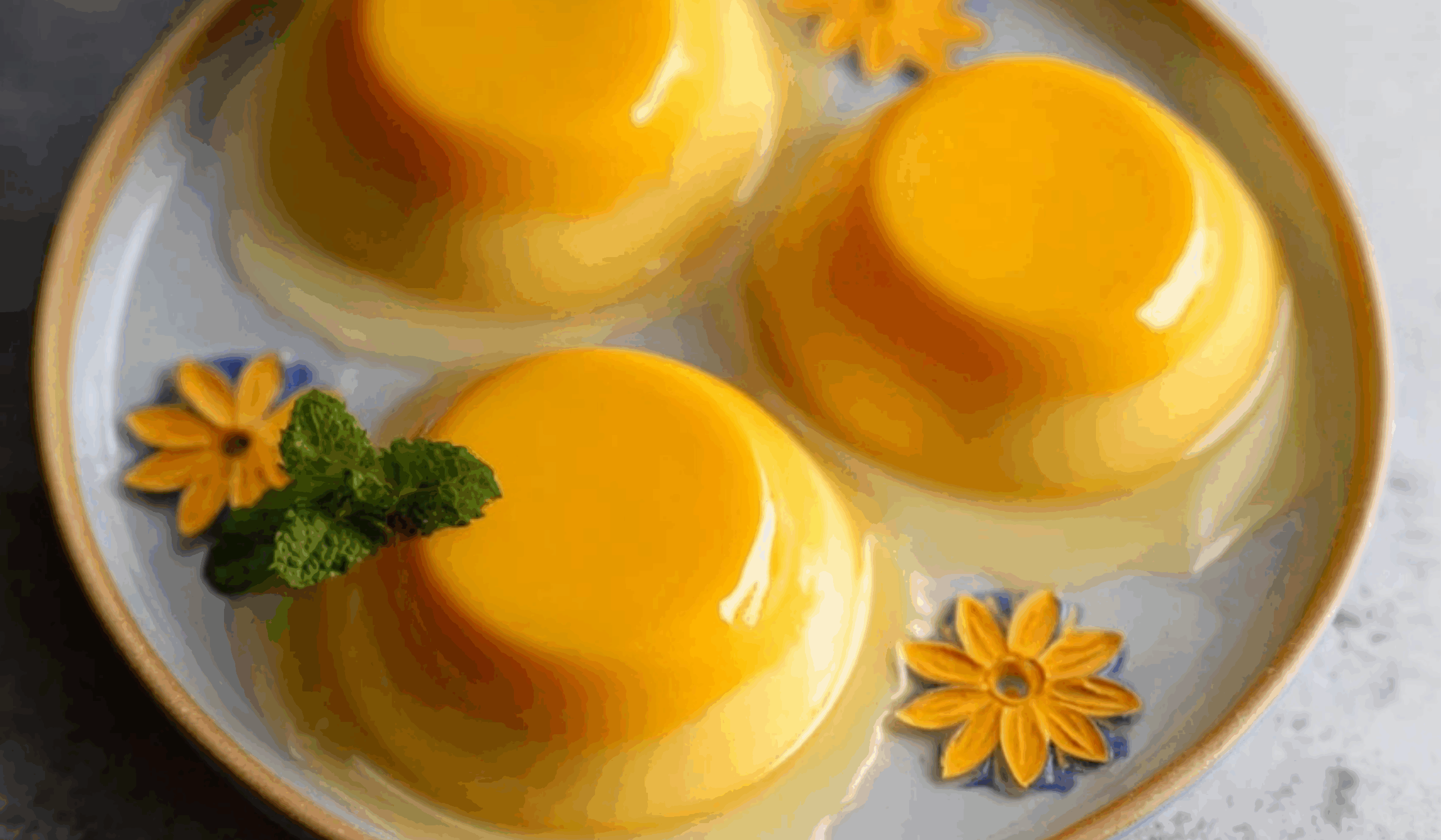
Mango pudding is one of those desserts that feels like sunshine in a bowl. Popular in many Asian countries, especially as a classic dish served in Hong Kong dim sum restaurants, this creamy delight brings together the natural sweetness of ripe mangoes and the smooth richness of coconut milk. Whether you’re a beginner in the kitchen or someone looking to recreate a nostalgic dish at home, this version is easy to follow, and you don’t even need to turn on the oven.
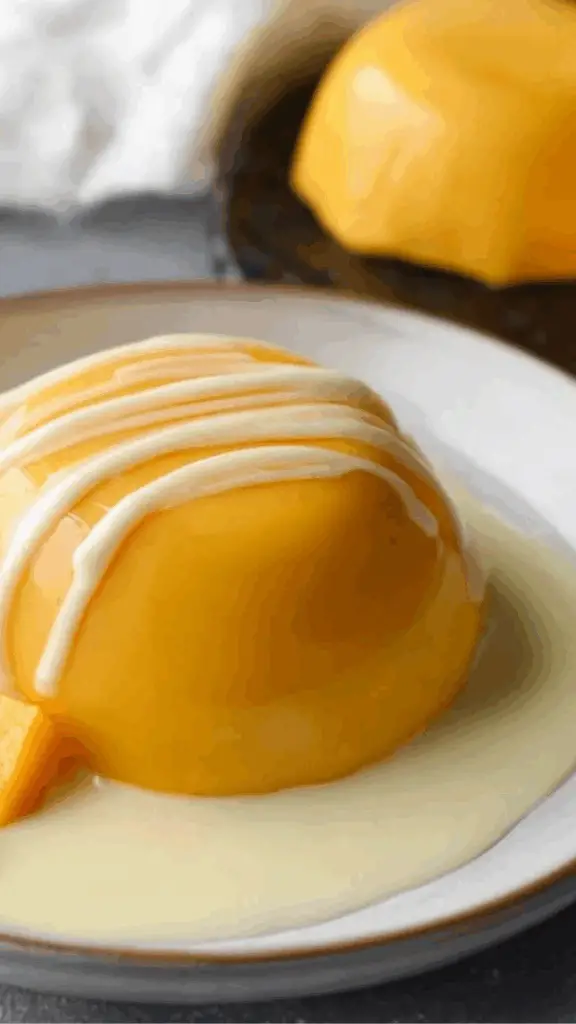
Best of all, this mango pudding doesn’t rely on gelatin alone — an agar-agar alternative makes it accessible for vegetarians or those with dietary preferences. In this recipe, you’ll learn how to balance flavors, control the pudding texture, and present it beautifully for your family or guests. And with no pork, ham, or bacon in sight, it’s suitable for a variety of diets.
Let’s dive into a spoonful of tropical paradise with this foolproof mango pudding recipe.
Ingredients and Preparation
Main Ingredients
You’ll need the following:
- 2 medium ripe mangoes (about 340g or 12 oz): Choose Ataulfo or Champagne mangoes for natural sweetness and smooth texture
- ½ cup full-fat coconut milk: Provides the pudding with richness and a mild tropical flavor
- Substitution: You can also use evaporated milk or heavy cream if preferred
- 2 tablespoons cold water: Used for blooming gelatin or agar
- 1½ teaspoons gelatin powder: The standard setting agent in most traditional versions
- Vegan option: Substitute with 1½ teaspoons agar-agar powder
- 1½ tablespoons white granulated sugar: Adjust according to the sweetness of your mangoes
- Optional garnishes
- Diced mango pieces
- Extra coconut milk or cream drizzle
- Mint leaves for a pop of green
Preparation Notes
- Peel and dice mangoes in advance. Save a few cubes for garnish if you wish.
- For the setting agent, gelatin must be bloomed in cold water; agar needs to be boiled to activate.
Step-by-Step Instructions
Step 1: Prepare the Mangoes
- Wash the mangoes and pat them dry.
- Peel off the skin and cut the flesh away from the seed.
- Dice the mango flesh roughly and place it in a blender or food processor.
- Blend until completely smooth — aim for a puree without any lumps.
- Tip: Straining the puree can remove stringy fibers for an extra silky texture.
Step 2: Bloom the Gelatin (or Agar-Agar)
- In a small bowl, combine 1½ teaspoons of gelatin powder with 2 tablespoons of cold water.
- Stir gently and let it sit for 5 minutes — this is called “blooming,” and it’s essential for proper setting.
- If using agar-agar: Mix the agar with the water and prepare to boil it in the next step.
Step 3: Mix Coconut Milk, Sugar, and Mango Puree
- In a mixing bowl, whisk together:
- The mango puree
- Coconut milk
- Sugar
- Stir until the sugar is fully dissolved and everything is combined evenly. This forms the flavor base of your pudding.
Step 4: Warm the Mixture Gently
- Pour the entire mixture into a small saucepan and place over medium-low heat.
- Add the bloomed gelatin or agar-agar into the pan.
- Stir continuously using a whisk. This prevents clumping and ensures everything melts properly.
- Heat for about 4–5 minutes until the mixture is hot but not boiling.
- Gelatin loses its power if overheated, so keep it just warm.
- If using agar: You must bring it to a gentle boil to activate it, then simmer for 1–2 minutes before removing from heat.
Step 5: Strain (Optional but Recommended)
- For an ultra-smooth pudding, pour the heated mixture through a fine mesh sieve into another bowl or jug.
- This helps remove mango fibers or any clumped gelatin, leaving a glossy finish.
Step 6: Pour and Chill
- Divide the mixture into 4 small glass cups, ramekins, or bowls.
- Let them cool slightly before covering with plastic wrap.
- Refrigerate for at least 4 hours, or until fully set.
- The texture should be firm but creamy when touched with a spoon.
Step 7: Garnish and Serve
- Once fully chilled, garnish each pudding with:
- Extra diced mango
- A drizzle of coconut milk or cream
- A mint leaf for color contrast
Beginner Tips and Notes
If you’re new to making puddings or using gelling agents, keep these tips in mind:
- Choose ripe mangoes: Mango is the star. The sweeter and more aromatic your mangoes, the better your pudding will taste. Avoid unripe or fibrous mangoes.
- Don’t skip blooming: Gelatin must be bloomed before heating or it won’t dissolve properly. Skipping this step leads to a grainy or unset pudding.
- Gentle heat is key: Overheating can damage gelatin’s setting ability. On the other hand, agar requires a boil to work. Always adjust the heat based on which setting agent you’re using.
- Strain for elegance: It’s a small step but makes a big difference in mouthfeel. Removing fibers leads to a smoother, more professional finish.
- Customize the texture: Prefer a firmer bite? Use an extra ½ teaspoon of gelatin or agar. Like it extra creamy? Reduce slightly or add more coconut milk.
- Don’t freeze: Chilling is essential, but freezing will break down the structure of the pudding and cause it to weep when thawed.
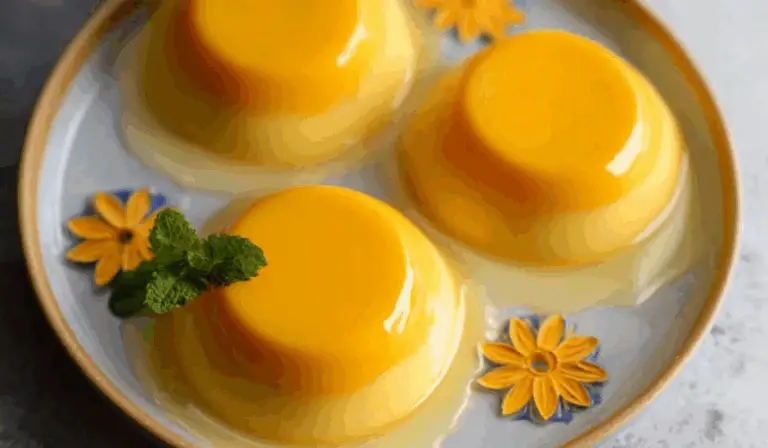
Tropical Bliss: Homemade Mango Pudding Recipe (No Gelatin Option Included)
Creamy, dreamy, and bursting with sunshine! 🥭🌞 This Homemade Mango Pudding is the ultimate tropical treat—smooth, fruity, and naturally sweet. Made without gelatin, it’s a plant-friendly dessert you can feel good about. 🥥✨ Perfect for hot days, dinner parties, or a cool midday escape!
- Total Time: 20 minutes (plus 4 hours chilling)
- Yield: 4 servings 1x
Ingredients
You’ll need the following:
-
2 medium ripe mangoes (about 340g or 12 oz): Choose Ataulfo or Champagne mangoes for natural sweetness and smooth texture
-
½ cup full-fat coconut milk: Provides the pudding with richness and a mild tropical flavor
-
Substitution: You can also use evaporated milk or heavy cream if preferred
-
-
2 tablespoons cold water: Used for blooming gelatin or agar
-
1½ teaspoons gelatin powder: The standard setting agent in most traditional versions
-
Vegan option: Substitute with 1½ teaspoons agar-agar powder
-
-
1½ tablespoons white granulated sugar: Adjust according to the sweetness of your mangoes
-
Optional garnishes
-
Diced mango pieces
-
Extra coconut milk or cream drizzle
-
Mint leaves for a pop of green
-
Preparation Notes
-
Peel and dice mangoes in advance. Save a few cubes for garnish if you wish.
-
For the setting agent, gelatin must be bloomed in cold water; agar needs to be boiled to activate.
Instructions
Step 1: Prepare the Mangoes
-
Wash the mangoes and pat them dry.
-
Peel off the skin and cut the flesh away from the seed.
-
Dice the mango flesh roughly and place it in a blender or food processor.
-
Blend until completely smooth — aim for a puree without any lumps.
-
Tip: Straining the puree can remove stringy fibers for an extra silky texture.
-
Step 2: Bloom the Gelatin (or Agar-Agar)
-
In a small bowl, combine 1½ teaspoons of gelatin powder with 2 tablespoons of cold water.
-
Stir gently and let it sit for 5 minutes — this is called “blooming,” and it’s essential for proper setting.
-
If using agar-agar: Mix the agar with the water and prepare to boil it in the next step.
-
Step 3: Mix Coconut Milk, Sugar, and Mango Puree
-
In a mixing bowl, whisk together:
-
The mango puree
-
Coconut milk
-
Sugar
-
-
Stir until the sugar is fully dissolved and everything is combined evenly. This forms the flavor base of your pudding.
Step 4: Warm the Mixture Gently
-
Pour the entire mixture into a small saucepan and place over medium-low heat.
-
Add the bloomed gelatin or agar-agar into the pan.
-
Stir continuously using a whisk. This prevents clumping and ensures everything melts properly.
-
Heat for about 4–5 minutes until the mixture is hot but not boiling.
-
Gelatin loses its power if overheated, so keep it just warm.
-
If using agar: You must bring it to a gentle boil to activate it, then simmer for 1–2 minutes before removing from heat.
-
Step 5: Strain (Optional but Recommended)
-
For an ultra-smooth pudding, pour the heated mixture through a fine mesh sieve into another bowl or jug.
-
This helps remove mango fibers or any clumped gelatin, leaving a glossy finish.
Step 6: Pour and Chill
-
Divide the mixture into 4 small glass cups, ramekins, or bowls.
-
Let them cool slightly before covering with plastic wrap.
-
Refrigerate for at least 4 hours, or until fully set.
-
The texture should be firm but creamy when touched with a spoon.
-
Step 7: Garnish and Serve
-
Once fully chilled, garnish each pudding with:
-
Extra diced mango
-
A drizzle of coconut milk or cream
-
A mint leaf for color contrast
-
Notes
-
Choose ripe mangoes: Mango is the star. The sweeter and more aromatic your mangoes, the better your pudding will taste. Avoid unripe or fibrous mangoes.
-
Don’t skip blooming: Gelatin must be bloomed before heating or it won’t dissolve properly. Skipping this step leads to a grainy or unset pudding.
-
Gentle heat is key: Overheating can damage gelatin’s setting ability. On the other hand, agar requires a boil to work. Always adjust the heat based on which setting agent you’re using.
-
Strain for elegance: It’s a small step but makes a big difference in mouthfeel. Removing fibers leads to a smoother, more professional finish.
-
Customize the texture: Prefer a firmer bite? Use an extra ½ teaspoon of gelatin or agar. Like it extra creamy? Reduce slightly or add more coconut milk.
-
Don’t freeze: Chilling is essential, but freezing will break down the structure of the pudding and cause it to weep when thawed.
- Prep Time: 15 minutes
- Cook Time: 5 minutes
Serving Suggestions
Mango pudding is very versatile in how it can be presented. Try these ideas to elevate your dessert game:
- Elegant dessert cups: Serve in stemmed glasses or jars for a dinner-party-ready look.
- Layered parfait: Alternate layers of mango pudding and crushed graham crackers or coconut crumble.
- With toppings: Add toasted coconut flakes, chia seeds, or a small scoop of vanilla ice cream on top.
- Paired with fruits: Serve alongside a fruit salad of tropical fruits like pineapple, kiwi, and lychee for a vibrant dessert plate.
- Mini servings: Pour into small silicone molds or shot glasses for individual party portions.
Final Thought
This mango pudding recipe isn’t just a dessert — it’s a taste of tropical comfort made from a few humble ingredients. Whether you choose the traditional gelatin version or the vegan-friendly agar-agar alternative, you’ll end up with a chilled, luscious treat that delights both kids and adults.
What makes this dish truly shine is its simplicity: a way to honor fresh, ripe mangoes in a form that feels both indulgent and refreshing. If you’re looking for a reliable, fuss-free dessert to add to your rotation, this pudding is a perfect choice. It also stores well in the fridge, making it ideal for make-ahead dessert planning.
Try it once, and you’ll likely find yourself making it again every mango season.
Let the pudding chill — and enjoy the mango magic.