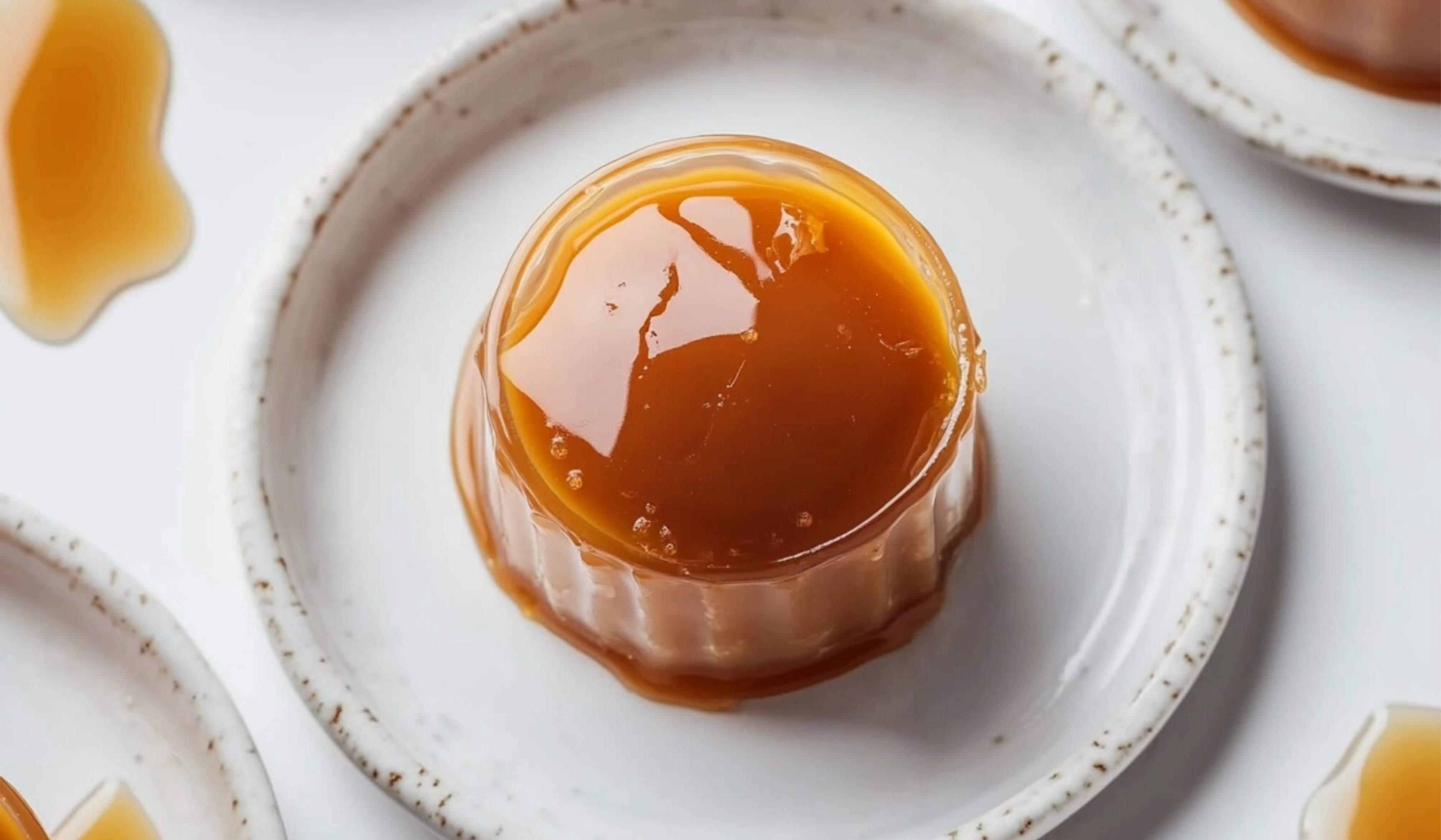
There’s something magical about homemade caramel sauce. The deep, buttery richness with a perfect balance of sweetness and saltiness transforms even the simplest desserts into gourmet treats. The first time I made caramel sauce, I was intimidated by the thought of melting sugar—visions of burnt messes and rock-hard sugar crystals filled my mind. But once I got the hang of it, I realized just how simple and rewarding it truly is.
Print
The Ultimate Guide to Making Homemade Salted Caramel Sauce for Beginners
Master the art of Homemade Salted Caramel Sauce in just minutes! This velvety-smooth, sweet-meets-salty delight is made with simple ingredients yet delivers big flavor. Perfect for drizzling over cakes, brownies, or even stirring into coffee, this foolproof recipe is designed for beginners. No fancy tools, no stress—just golden, buttery goodness in every spoonful. Why buy store-bought when you can make the best caramel sauce right at home? Grab your sugar and let’s get whisking!
#SaltedCaramelMagic #EasyDesserts #HomemadeSauce #BakingMadeSimple #SweetAndButtery #CaramelLover #NoMoreStoreBought #KitchenConfidence #TastyTreats #DessertGoals
- Total Time: 25 minutes
- Yield: 1 ½ cups (about 12 servings) 1x
Ingredients
- Granulated Sugar (1 cup / 200 g): The star of the recipe, sugar caramelizes when heated.
- Water (¼ cup / 60 ml): Helps dissolve sugar evenly, preventing crystallization.
- Heavy Cream (⅔ cup / 160 ml, at room temperature): Adds richness and prevents caramel from hardening.
- Unsalted Butter (3 tablespoons / 45 g): Enhances smoothness and flavor.
- Vanilla Extract (1 teaspoon): Provides depth and complexity.
- Salt (1 teaspoon or to taste): Balances the sweetness and enhances flavors.
Instructions
1. Dissolving the Sugar
- In a heavy-bottomed saucepan, combine water and granulated sugar over medium heat.
- Stir continuously until the sugar dissolves completely and the mixture starts to bubble.
- Tip: Use a saucepan that’s larger than you think you’ll need, as caramel bubbles up when cream is added.
2. Caramelizing the Sugar
- Increase heat to high and bring the mixture to a boil.
- Stop stirring at this point—stirring can cause sugar to crystallize.
- Let it boil until it turns a deep amber color (this takes 4 to 12 minutes).
- Tip: If sugar crystallizes on the sides of the pan, brush the sides with a damp pastry brush to dissolve it.
3. Adding the Cream (Carefully!)
- Remove the saucepan from heat.
- Slowly whisk in room-temperature heavy cream—it will bubble up, so pour carefully.
- If the caramel clumps, return it to low heat and stir until smooth.
4. Incorporating Butter, Vanilla, and Salt
- Stir in butter one piece at a time.
- Mix in vanilla extract and salt, adjusting to taste.
- Tip: Taste before adding extra salt—flavors develop as the caramel cools.
5. Cooling and Storing
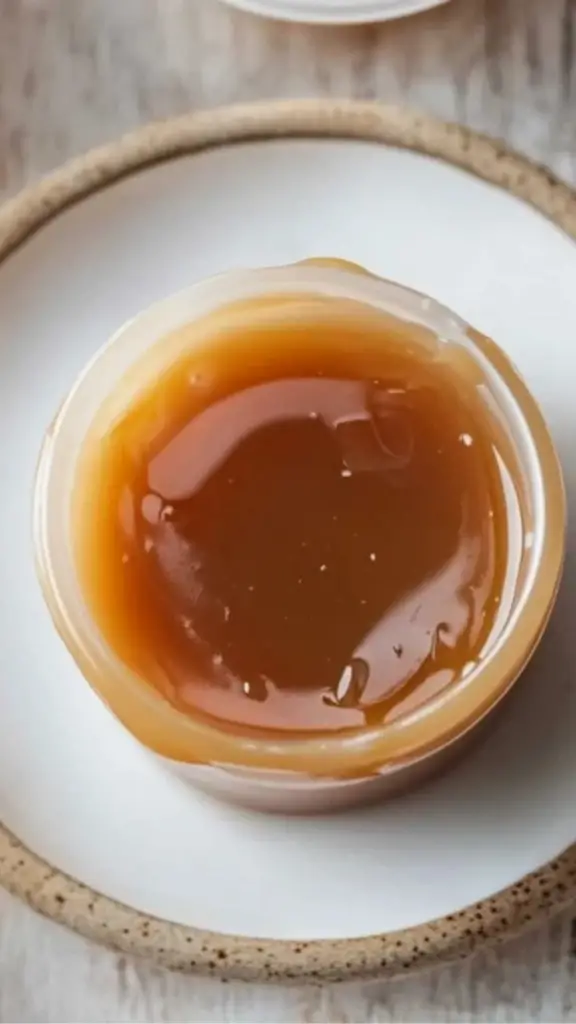
- Pour into a heatproof container and let it cool completely.
- Store in an airtight container in the fridge for up to two weeks.
- Reheating: Microwave in 10-second intervals, stirring in between, until smooth.
Notes
Why is my caramel grainy?
- Stirring after the sugar dissolves can cause recrystallization. Avoid stirring once boiling begins.
Why did my sugar burn?
- The heat was too high, or you left it on the stove too long. Remove caramel from heat as soon as it reaches a golden amber shade.
My caramel sauce is too thick. What can I do?
- Reheat and add a splash of heavy cream, stirring until smooth.
My caramel hardened after cooling.
- This is normal. Just reheat gently before using.
- Prep Time: 5 minutes
- Cook Time: 10 minutes
If you’re a beginner in the kitchen, this is the perfect recipe to start with. Caramel sauce requires just a few basic ingredients and comes together in about 15 minutes. There’s no need for fancy equipment—just a saucepan, a whisk, and a little patience. Plus, learning to make it from scratch means saying goodbye to store-bought versions filled with preservatives and artificial flavors.
In this guide, we’ll break down every step in detail, discuss the science behind caramelization, troubleshoot common mistakes, and explore creative ways to use caramel sauce beyond desserts.
The Science Behind Caramelization
Understanding what happens when sugar transforms into caramel helps you control the process better.
What Is Caramelization?
Caramelization is a process in which sugar is heated until it breaks down and forms new flavors and colors. This occurs through a series of chemical reactions that give caramel its signature deep amber hue and complex taste.
Stages of Sugar Cooking
When making caramel sauce, sugar passes through several stages:
- Dissolving (Up to 212°F/100°C): Sugar melts into a clear liquid.
- Simmering (Around 320°F/160°C): The liquid begins to thicken slightly.
- Amber Stage (Around 340°F/170°C): The sugar changes color and develops rich, toasty flavors.
- Dark Caramel (Above 350°F/177°C): The flavor deepens but can burn quickly.
By watching for color changes rather than relying solely on time, you can achieve perfect caramel every time.
Ingredients and Their Role in Caramel Sauce
Before diving into the cooking process, it’s important to understand the function of each ingredient.
- Granulated Sugar (1 cup / 200 g): The star of the recipe, sugar caramelizes when heated.
- Water (¼ cup / 60 ml): Helps dissolve sugar evenly, preventing crystallization.
- Heavy Cream (⅔ cup / 160 ml, at room temperature): Adds richness and prevents caramel from hardening.
- Unsalted Butter (3 tablespoons / 45 g): Enhances smoothness and flavor.
- Vanilla Extract (1 teaspoon): Provides depth and complexity.
- Salt (1 teaspoon or to taste): Balances the sweetness and enhances flavors.
Ingredient Substitutions and Variations
If you need to tweak the recipe based on dietary preferences or ingredient availability, here are some options:
- Dairy-Free Alternative: Use full-fat coconut milk or a non-dairy heavy cream substitute.
- Sweeter, Less Salty Caramel: Reduce salt to ⅛ teaspoon or omit entirely.
- Thicker Caramel: Increase butter by 1 tablespoon.
- Boozy Caramel: Stir in a splash of bourbon or rum at the end for a sophisticated twist.
Step-by-Step Instructions for Perfect Caramel Sauce
1. Dissolving the Sugar
- In a heavy-bottomed saucepan, combine water and granulated sugar over medium heat.
- Stir continuously until the sugar dissolves completely and the mixture starts to bubble.
- Tip: Use a saucepan that’s larger than you think you’ll need, as caramel bubbles up when cream is added.
2. Caramelizing the Sugar
- Increase heat to high and bring the mixture to a boil.
- Stop stirring at this point—stirring can cause sugar to crystallize.
- Let it boil until it turns a deep amber color (this takes 4 to 12 minutes).
- Tip: If sugar crystallizes on the sides of the pan, brush the sides with a damp pastry brush to dissolve it.
3. Adding the Cream (Carefully!)
- Remove the saucepan from heat.
- Slowly whisk in room-temperature heavy cream—it will bubble up, so pour carefully.
- If the caramel clumps, return it to low heat and stir until smooth.
4. Incorporating Butter, Vanilla, and Salt
- Stir in butter one piece at a time.
- Mix in vanilla extract and salt, adjusting to taste.
- Tip: Taste before adding extra salt—flavors develop as the caramel cools.
5. Cooling and Storing
- Pour into a heatproof container and let it cool completely.
- Store in an airtight container in the fridge for up to two weeks.
- Reheating: Microwave in 10-second intervals, stirring in between, until smooth.
Troubleshooting Common Caramel Mistakes
Why is my caramel grainy?
- Stirring after the sugar dissolves can cause recrystallization. Avoid stirring once boiling begins.
Why did my sugar burn?
- The heat was too high, or you left it on the stove too long. Remove caramel from heat as soon as it reaches a golden amber shade.
My caramel sauce is too thick. What can I do?
- Reheat and add a splash of heavy cream, stirring until smooth.
My caramel hardened after cooling.
- This is normal. Just reheat gently before using.
Creative Uses for Salted Caramel Sauce
Classic Dessert Pairings
- Drizzle over ice cream for a rich, indulgent topping.
- Pour over brownies or chocolate cake for extra decadence.
- Swirl into cheesecake batter before baking.
Breakfast & Snack Ideas
- Drizzle over pancakes, waffles, or French toast instead of syrup.
- Dip apple slices or bananas for a quick treat.
- Stir into oatmeal or yogurt for a sweet-salty contrast.
Beverage Enhancements
- Mix into coffee or hot chocolate for a caramel latte effect.
- Blend into milkshakes for a caramel twist.
Savory Applications
- Brush onto grilled chicken or beef for a subtle sweetness.
- Use as a glaze for roasted vegetables like carrots or sweet potatoes.
Storage and Make-Ahead Tips
- Refrigeration: Store in an airtight jar for up to 2 weeks.
- Freezing: Freeze for up to 3 months and thaw overnight in the fridge.
- Gift Idea: Pour into small jars, tie with a ribbon, and give as homemade gifts.
Conclusion: Why Every Beginner Should Try This Recipe
Making homemade caramel sauce might seem intimidating, but it’s an essential skill that will elevate your cooking. With just a few simple ingredients and a little patience, you can create a rich, restaurant-quality sauce right in your kitchen.
If you try this recipe, let me know in the comments! What did you pair it with? Did you add any unique twists? Your feedback helps other beginners gain confidence in the kitchen.