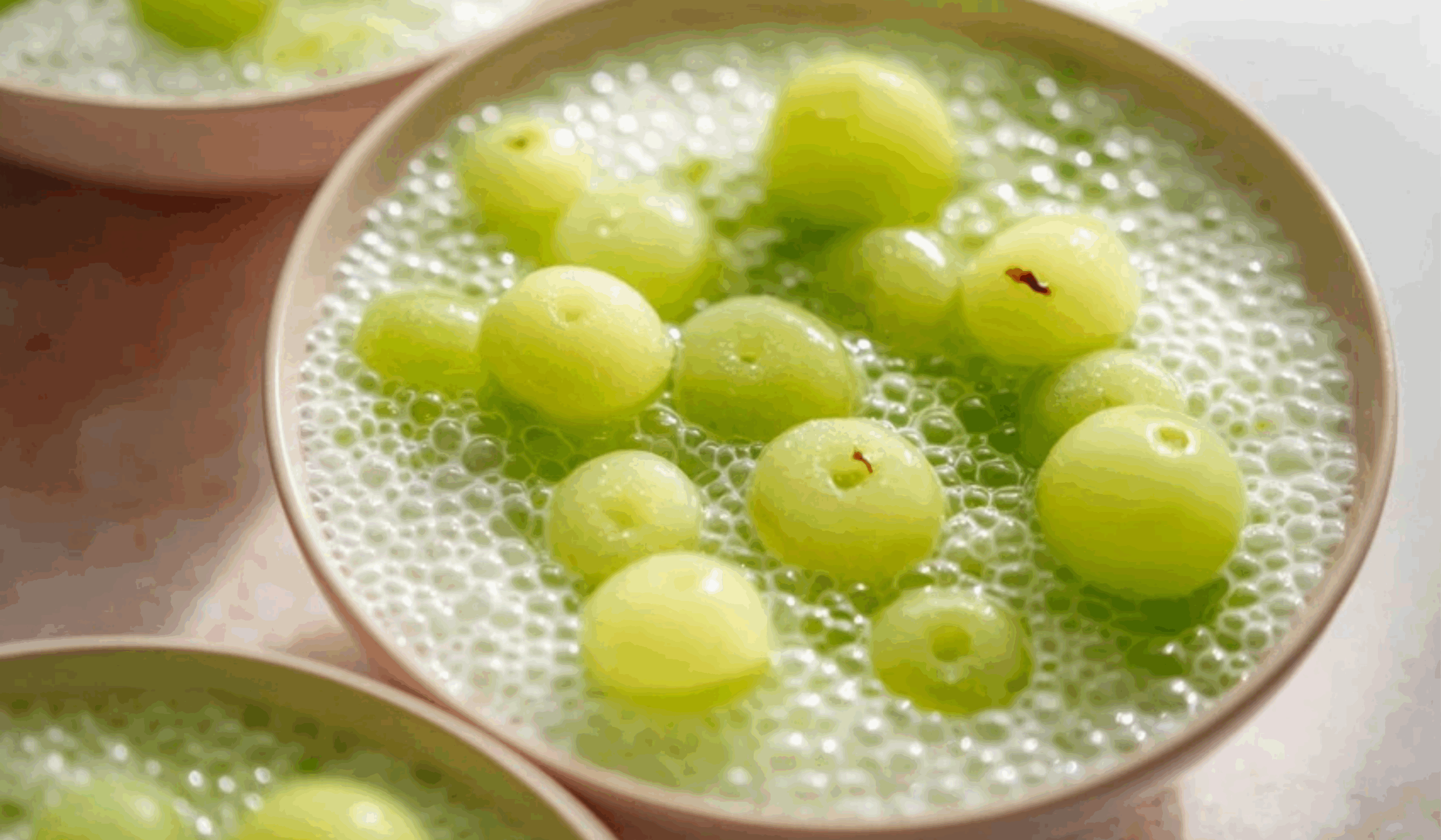
If you’re looking for a chilled Asian dessert that’s light, creamy, and naturally fruity, Honeydew Sago might just become your new favorite. This tropical treat is a classic in many Southeast Asian homes, especially in Singaporean and Malaysian cuisine. It’s known for its cooling qualities, velvety coconut milk, and the subtle crunch of sweet honeydew melon. Traditionally served cold, this dessert is perfect for summer months or after a spicy meal.
What makes honeydew sago so comforting is its familiar texture—the soft, chewy sago pearls contrast beautifully with the smooth coconut milk and fresh fruit. It doesn’t rely on gelatin, agar, or artificial thickeners, which means it stays light and naturally dairy-free. If you’ve ever had mango sago or Thai buko pandan, you’ll find this similar but uniquely refreshing.
Even if you’re new to Asian desserts or cooking in general, don’t worry—this recipe is incredibly simple and requires only a few ingredients. Once the sago is cooked, the rest comes together in minutes. All you need is a pot, a blender, and a love for tropical flavors.
Ingredients and Preparation
Make sure to gather your ingredients and prep a few items in advance to save time.
For the Sago:
- ½ cup small white sago pearls
- 4 cups water (for boiling)
For the Honeydew and Coconut Mixture:
- 1 small ripe honeydew melon (around 3–4 cups chopped)
- ½ cup cold water (for blending)
- 1 cup full-fat coconut milk (chilled or room temperature)
- 2–4 tablespoons sweetened condensed milk, to taste (can substitute with maple syrup for a vegan option)
- A pinch of salt
Optional Garnishes:
- Honeydew melon balls or cubes for topping
- Mint leaves for color and aroma
- Shaved ice or crushed ice (especially during warmer months)
Preparation Notes:
- Choose a ripe honeydew for natural sweetness. The skin should be creamy yellow with a slight give when pressed.
- Sago pearls look like tiny white beads. You’ll find them in Asian groceries or the international aisle of most supermarkets.
- Use canned full-fat coconut milk for the creamiest texture.
- Condensed milk adds sweetness and richness. For a dairy-free version, stick with maple syrup or coconut syrup.
Step-by-Step Instructions
1. Cook the sago pearls
- Bring 4 cups of water to a rolling boil in a medium saucepan.
- Add the sago pearls and stir immediately to prevent them from sticking together.
- Lower the heat to medium and simmer for about 10–15 minutes, stirring occasionally.
- When most of the pearls turn translucent with only a small white dot in the center, turn off the heat.
- Cover the pot with a lid and let the sago sit in the hot water for another 10–15 minutes until fully translucent.
- Drain the sago using a fine-mesh sieve and rinse under cold running water to remove excess starch.
- Set aside in a bowl of cold water or refrigerate until ready to use.
2. Prepare the honeydew
- Slice the honeydew melon in half and scoop out the seeds with a spoon.
- Cut away the rind and chop the flesh into small cubes. Reserve about 1 cup for garnish.
- Place the remaining 2–3 cups of honeydew into a blender with ½ cup of cold water.
- Blend until smooth and frothy. If you prefer some texture, you can pulse instead of fully blending.
3. Mix the coconut base
- In a large bowl or pitcher, combine the coconut milk with the blended honeydew.
- Add the condensed milk (or maple syrup) and a pinch of salt.
- Taste and adjust sweetness as needed. Some honeydews are naturally sweet and may not require much sweetener.
4. Combine the dessert
- Drain the cooled sago from the soaking water.
- Gently stir the sago pearls into the honeydew-coconut mixture.
- Chill in the refrigerator for at least 30 minutes to let the flavors blend.
5. Serve
- Spoon the honeydew sago into serving bowls or cups.
- Garnish with melon cubes or balls, mint leaves, or a few cubes of ice for extra coolness.
- Serve immediately while chilled.
Beginner Tips and Notes
- Don’t overcook sago: Overcooked sago can become too soft and lose its chewy texture. It’s ready when it turns translucent with no visible white core.
- Rinse after boiling: This helps remove excess starch and prevents clumping. Always rinse sago under cold water after cooking.
- Use ripe melon: Unripe honeydew can be bland or hard. Choose one that smells fragrant and has a slight softness to the touch.
- Balance the texture: You can adjust how thick or thin you want the final dessert to be by adding more or less coconut milk or blending water.
- Make ahead: You can make the sago a day in advance and store it in cold water. The full dessert is best consumed within 1–2 days.
- Chill everything: For the best texture and taste, chill your coconut milk, blended melon, and sago before combining.
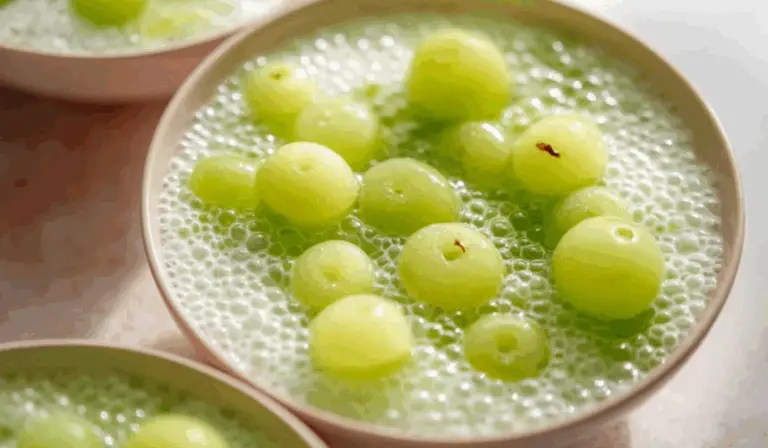
Refreshing Honeydew Sago Dessert with Coconut Milk (No Gelatin, No Pork)
Cool, creamy, and naturally refreshing! 🍈🥥 This Honeydew Sago Dessert is made with chewy sago pearls, juicy honeydew melon, and rich coconut milk—no gelatin, no pork, just pure plant-based bliss. 🌱✨ It’s the perfect light, cooling treat for hot days or after meals.
- Total Time: 45 minutes
- Yield: 4–6 servings 1x
Ingredients
For the Sago:
-
½ cup small white sago pearls
-
4 cups water (for boiling)
For the Honeydew and Coconut Mixture:
-
1 small ripe honeydew melon (around 3–4 cups chopped)
-
½ cup cold water (for blending)
-
1 cup full-fat coconut milk (chilled or room temperature)
-
2–4 tablespoons sweetened condensed milk, to taste (can substitute with maple syrup for a vegan option)
-
A pinch of salt
Optional Garnishes:
-
Honeydew melon balls or cubes for topping
-
Mint leaves for color and aroma
-
Shaved ice or crushed ice (especially during warmer months)
Preparation Notes:
-
Choose a ripe honeydew for natural sweetness. The skin should be creamy yellow with a slight give when pressed.
-
Sago pearls look like tiny white beads. You’ll find them in Asian groceries or the international aisle of most supermarkets.
-
Use canned full-fat coconut milk for the creamiest texture.
-
Condensed milk adds sweetness and richness. For a dairy-free version, stick with maple syrup or coconut syrup.
Instructions
1. Cook the sago pearls
-
Bring 4 cups of water to a rolling boil in a medium saucepan.
-
Add the sago pearls and stir immediately to prevent them from sticking together.
-
Lower the heat to medium and simmer for about 10–15 minutes, stirring occasionally.
-
When most of the pearls turn translucent with only a small white dot in the center, turn off the heat.
-
Cover the pot with a lid and let the sago sit in the hot water for another 10–15 minutes until fully translucent.
-
Drain the sago using a fine-mesh sieve and rinse under cold running water to remove excess starch.
-
Set aside in a bowl of cold water or refrigerate until ready to use.
2. Prepare the honeydew
-
Slice the honeydew melon in half and scoop out the seeds with a spoon.
-
Cut away the rind and chop the flesh into small cubes. Reserve about 1 cup for garnish.
-
Place the remaining 2–3 cups of honeydew into a blender with ½ cup of cold water.
-
Blend until smooth and frothy. If you prefer some texture, you can pulse instead of fully blending.
3. Mix the coconut base
-
In a large bowl or pitcher, combine the coconut milk with the blended honeydew.
-
Add the condensed milk (or maple syrup) and a pinch of salt.
-
Taste and adjust sweetness as needed. Some honeydews are naturally sweet and may not require much sweetener.
4. Combine the dessert
-
Drain the cooled sago from the soaking water.
-
Gently stir the sago pearls into the honeydew-coconut mixture.
-
Chill in the refrigerator for at least 30 minutes to let the flavors blend.
5. Serve
-
Spoon the honeydew sago into serving bowls or cups.
-
Garnish with melon cubes or balls, mint leaves, or a few cubes of ice for extra coolness.
-
Serve immediately while chilled.
Notes
-
Don’t overcook sago: Overcooked sago can become too soft and lose its chewy texture. It’s ready when it turns translucent with no visible white core.
-
Rinse after boiling: This helps remove excess starch and prevents clumping. Always rinse sago under cold water after cooking.
-
Use ripe melon: Unripe honeydew can be bland or hard. Choose one that smells fragrant and has a slight softness to the touch.
-
Balance the texture: You can adjust how thick or thin you want the final dessert to be by adding more or less coconut milk or blending water.
-
Make ahead: You can make the sago a day in advance and store it in cold water. The full dessert is best consumed within 1–2 days.
-
Chill everything: For the best texture and taste, chill your coconut milk, blended melon, and sago before combining.
- Prep Time: 20 minutes
- Cook Time: 25 minutes
Serving Suggestions
- As a chilled dessert cup: Serve in small glass bowls with a spoonful of crushed ice or ice cubes during hot weather.
- With fresh toppings: Add chopped lychee, mango, or watermelon for a fruit medley. You can also sprinkle toasted coconut flakes for a nutty contrast.
- Party-style serving: This dessert looks beautiful in a large glass trifle bowl with layers of sago, honeydew puree, and coconut milk.
- As a drink: Add more cold water or coconut water to thin out the mixture and enjoy it as a summer drink served in tall glasses with straws.
- For kids: Try freezing the mixture into popsicle molds for a fun, tropical ice pop without artificial flavorings.
Engagement Features
Have you made honeydew sago before? If this is your first time trying it, we’d love to know:
- Did you use condensed milk or a dairy-free sweetener?
- Did you keep the dessert thick or turn it into a drink-style version?
- What fruits did you pair with it?
Let us know your tips or customizations in the comments. Share a photo and tag us if you gave it your own twist. Don’t forget to bookmark this recipe so you can return to it the next time you’re craving a refreshing coconut dessert.