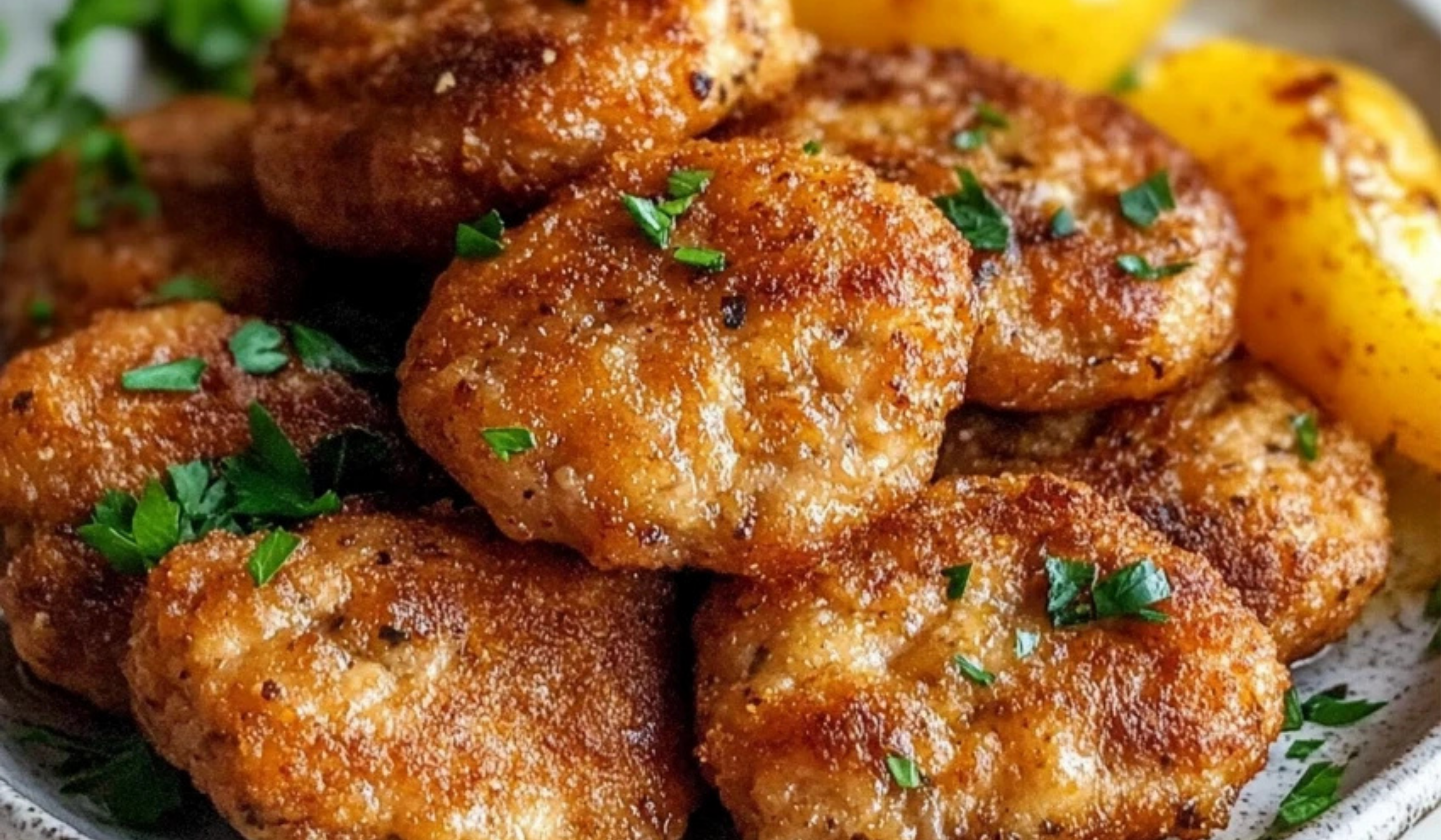
If you’re just starting your culinary journey and want to create a comforting, home-cooked meal bursting with flavor, then Authentic German Frikadellen is the recipe for you. Frikadellen—often referred to as German hamburgers—are a beloved staple in German kitchens. I still remember the first time I encountered them during a trip to Germany. I found myself seated in a small, cozy tavern where the scent of freshly pan-fried patties mingled with the aroma of rustic bread and tangy mustard. The experience was transformative: these were not your ordinary hamburgers but rather a rich, savory delight with a tender, juicy texture and a perfectly crisp exterior.
Print
Mastering Frikadellen: A Beginner’s Guide to Authentic German Hamburgers
Master the art of Frikadellen, Germany’s beloved pan-fried meat patties! These juicy, flavorful bites are a delicious twist on classic burgers, made with seasoned ground meat and crisped to perfection. Best of all, they’re beginner-friendly and come together with just a few pantry staples! Enjoy them with mustard, bread, or as a main dish with sides. If you love homemade comfort food, this easy recipe is a must-try. Ready to cook?
#EasyFrikadellen #GermanHamburgers #ClassicRecipe #HeartyMeals #SavoryBites #HomeCookedGoodness #MeatyDelights #PanFriedPerfection #FlavorfulEats #BeginnerFriendly
- Total Time: 25 minutes
- Yield: 4–6 patties 1x
Ingredients
- 1 lb (450g) ground beef (or a mix of ground beef and pork for extra juiciness): The choice of meat is crucial. While ground beef works well, a mix with pork can add a subtle richness.
- 1 small onion, finely chopped: Onions add a natural sweetness and depth of flavor.
- 1 clove garlic, minced: Garlic lends a savory kick, though it’s optional if you prefer a milder taste.
- 1 egg: Acts as a binder, helping to hold the patties together.
- 1 slice stale white bread (or ½ cup breadcrumbs): Soaking the bread in milk creates a tender texture. If you don’t have stale bread, lightly toast fresh bread to remove excess moisture.
- ¼ cup milk: Used to soften the bread, which in turn keeps the patties moist.
- 1 tsp mustard (Dijon or yellow): Provides a tangy contrast that brightens the flavors.
- 1 tsp salt: Enhances the overall taste.
- ½ tsp black pepper: Adds a touch of heat and complexity.
- ½ tsp paprika: Offers a hint of smokiness and color.
- ½ tsp ground marjoram (optional): A traditional herb in German recipes, lending an earthy note.
- 1 tbsp parsley, chopped: Adds freshness and a subtle peppery flavor.
- 2 tbsp oil or butter: For frying. Butter provides a richer flavor, while oil offers a more neutral taste.
Instructions
Step 1: Prepare the Bread Mixture
Begin by taking one slice of stale white bread and placing it in a small bowl. Pour in ¼ cup of milk and let the bread soak for about 5 minutes. This process softens the bread, making it easier to break down into fine pieces that will blend seamlessly with the meat. Once the bread is well-soaked, gently squeeze out any excess milk and crumble the bread into small pieces. This step is crucial for achieving the tender, moist texture that makes Frikadellen so delightful.
Step 2: Mix the Ingredients
In a large mixing bowl, combine the following:
- Ground beef (or the beef-pork mix)
- Crumbled, milk-soaked bread
- Finely chopped onion
- Minced garlic
- Egg
- Mustard
- Salt
- Black pepper
- Paprika
- Ground marjoram (if using)
- Chopped parsley
Gently mix all the ingredients together until they are just combined. It’s important not to overmix the mixture, as doing so can lead to a tough, dense patty. The goal is to achieve a well-blended mixture where each bite delivers the perfect balance of flavors and textures.
Step 3: Shape the Frikadellen
Divide your meat mixture into 4–6 equal portions, depending on the size of patties you desire. With damp hands (to prevent sticking), shape each portion into a flat, oval-shaped patty approximately ½-inch thick. Unlike traditional hamburgers, Frikadellen are slightly thicker and have a more rustic, hand-formed appearance. This method gives them a charming, homemade look that’s part of their appeal.
Step 4: Cook the Frikadellen
Heat 2 tablespoons of oil or butter in a large skillet over medium heat. Once the fat is hot, carefully place the patties in the skillet. Fry them for about 4–5 minutes on each side. The goal is to achieve a beautifully golden-brown crust on the outside while ensuring that the inside is thoroughly cooked. To verify doneness, you can use a meat thermometer; the internal temperature should reach 160°F (71°C). If you don’t have a thermometer, simply cut into one of the patties to check that the center is no longer pink and the juices run clear.
If you find that the patties are browning too quickly before the inside cooks through, lower the heat slightly and allow them to cook for a little longer. Alternatively, you can finish cooking them in the oven: preheat your oven to 350°F (175°C) and let the patties bake for an additional 5–7 minutes.
Step 5: Serve & Enjoy
Once cooked, transfer the Frikadellen to a serving plate and enjoy them while they’re warm. Traditional German sides include potato salad, mashed potatoes, or crusty bread. However, the versatility of Frikadellen means you can serve them in a variety of ways:
- Classic German Style: Serve with potato salad and a dollop of mustard.
- Comfort Food Meal: Pair with mashed potatoes and a side of steamed green beans.
- Sandwich Style: Slice a Frikadellen in half and place it in a crusty roll with mustard, pickles, and lettuce.
- Low-Carb Option: Serve alongside a fresh salad or steamed vegetables.
Notes
Checking for Doneness
- Meat Thermometer: The safest way to check if your Frikadellen are done is to use a meat thermometer. Insert it into the thickest part of a patty; it should read 160°F (71°C).
- Visual Cue: If you don’t have a thermometer, cut a patty in half. The interior should be uniformly cooked with no pink spots, and the juices should run clear.
Preventing Tough Patties
- Mix Gently: Overmixing the meat can lead to a dense, tough texture. Combine your ingredients just until they are evenly distributed.
- Soaked Bread: Ensure the bread is properly soaked and crumbled. This ingredient is key to keeping the patties tender and moist.
Adjusting Cooking Temperature
- Browning Too Fast? If your Frikadellen are getting too brown on the outside before the inside is done, lower the heat slightly. You can also cover the skillet with a lid for the last few minutes of cooking to help them cook through without burning.
Alternative Cooking Methods
- Baking Option: If you’d prefer not to fry your Frikadellen, preheat your oven to 375°F (190°C). Place the patties on a parchment-lined baking sheet and bake for about 25 minutes, flipping them halfway through. This method yields a slightly different texture but is just as delicious.
- Prep Time: 10 minutes
- Cook Time: 15 minutes
For beginners, this recipe is a godsend. With only a handful of everyday ingredients and simple steps to follow, Frikadellen provide an ideal introduction to cooking meat dishes at home. You don’t need fancy equipment or rare ingredients. Instead, you can create a meal that’s quick to prepare (ready in about 25 minutes), incredibly versatile, and guaranteed to become a family favorite. Whether you choose to serve them hot with potato salad or cold in a sandwich, Frikadellen are sure to impress with their robust flavor and satisfying heartiness.
This guide is designed with clarity and practicality in mind. From understanding the origins of Frikadellen to mastering the proper techniques for mixing and cooking the meat, I’ll walk you through every step. Plus, you’ll find useful tips, common troubleshooting advice, and creative serving suggestions to elevate your dish. Let’s embark on this culinary adventure together and bring a taste of Germany right into your kitchen!
What Are Frikadellen?
Frikadellen are more than just meat patties; they are a symbol of German comfort food. Unlike the typical American hamburger, Frikadellen are made by combining ground meat with ingredients such as soaked bread, eggs, onions, and a blend of spices. This mixture not only enhances flavor but also gives the patties a wonderfully tender texture. Often pan-fried to achieve a golden-brown crust, Frikadellen can be enjoyed in various ways—served as a main course with hearty sides, used as a sandwich filling, or even eaten cold as a snack.
Historically, these patties have been enjoyed in households, beer gardens, and street markets across Germany. Each region may offer its own twist—some add paprika for extra color and spice, while others include marjoram or even a hint of nutmeg to deepen the flavor profile. The simplicity of Frikadellen makes them a timeless recipe that has transcended generations, and their versatility means they can easily adapt to modern dietary preferences and serving styles.
Ingredients and Preparation
Before you begin, it’s essential to gather all the ingredients you’ll need. This recipe makes approximately 4–6 patties, perfect for a small family meal or a hearty lunch. The ingredients are straightforward and commonly found in most kitchens, ensuring that even the novice cook can source everything easily.
Essential Ingredients
- 1 lb (450g) ground beef (or a mix of ground beef and pork for extra juiciness): The choice of meat is crucial. While ground beef works well, a mix with pork can add a subtle richness.
- 1 small onion, finely chopped: Onions add a natural sweetness and depth of flavor.
- 1 clove garlic, minced: Garlic lends a savory kick, though it’s optional if you prefer a milder taste.
- 1 egg: Acts as a binder, helping to hold the patties together.
- 1 slice stale white bread (or ½ cup breadcrumbs): Soaking the bread in milk creates a tender texture. If you don’t have stale bread, lightly toast fresh bread to remove excess moisture.
- ¼ cup milk: Used to soften the bread, which in turn keeps the patties moist.
- 1 tsp mustard (Dijon or yellow): Provides a tangy contrast that brightens the flavors.
- 1 tsp salt: Enhances the overall taste.
- ½ tsp black pepper: Adds a touch of heat and complexity.
- ½ tsp paprika: Offers a hint of smokiness and color.
- ½ tsp ground marjoram (optional): A traditional herb in German recipes, lending an earthy note.
- 1 tbsp parsley, chopped: Adds freshness and a subtle peppery flavor.
- 2 tbsp oil or butter: For frying. Butter provides a richer flavor, while oil offers a more neutral taste.
Ingredient Substitutions & Alternatives
- No stale bread? If you only have fresh bread, toast it lightly to remove some moisture.
- Dairy-free option: Substitute milk with water or a non-dairy alternative like almond or soy milk.
- Spicy twist: If you enjoy a bit of heat, add a pinch of cayenne pepper or red pepper flakes.
- Herb variations: If marjoram isn’t available, try using oregano or thyme.
By having all your ingredients ready, you’re setting yourself up for a smooth cooking process. Remember, preparation is half the battle when it comes to mastering any recipe.
Step-by-Step Cooking Instructions
Follow these easy steps to create your own batch of authentic German Frikadellen. Each step is designed to be clear and manageable, ensuring even the most inexperienced cook can achieve great results.
Step 1: Prepare the Bread Mixture
Begin by taking one slice of stale white bread and placing it in a small bowl. Pour in ¼ cup of milk and let the bread soak for about 5 minutes. This process softens the bread, making it easier to break down into fine pieces that will blend seamlessly with the meat. Once the bread is well-soaked, gently squeeze out any excess milk and crumble the bread into small pieces. This step is crucial for achieving the tender, moist texture that makes Frikadellen so delightful.
Step 2: Mix the Ingredients
In a large mixing bowl, combine the following:
- Ground beef (or the beef-pork mix)
- Crumbled, milk-soaked bread
- Finely chopped onion
- Minced garlic
- Egg
- Mustard
- Salt
- Black pepper
- Paprika
- Ground marjoram (if using)
- Chopped parsley
Gently mix all the ingredients together until they are just combined. It’s important not to overmix the mixture, as doing so can lead to a tough, dense patty. The goal is to achieve a well-blended mixture where each bite delivers the perfect balance of flavors and textures.
Step 3: Shape the Frikadellen
Divide your meat mixture into 4–6 equal portions, depending on the size of patties you desire. With damp hands (to prevent sticking), shape each portion into a flat, oval-shaped patty approximately ½-inch thick. Unlike traditional hamburgers, Frikadellen are slightly thicker and have a more rustic, hand-formed appearance. This method gives them a charming, homemade look that’s part of their appeal.
Step 4: Cook the Frikadellen
Heat 2 tablespoons of oil or butter in a large skillet over medium heat. Once the fat is hot, carefully place the patties in the skillet. Fry them for about 4–5 minutes on each side. The goal is to achieve a beautifully golden-brown crust on the outside while ensuring that the inside is thoroughly cooked. To verify doneness, you can use a meat thermometer; the internal temperature should reach 160°F (71°C). If you don’t have a thermometer, simply cut into one of the patties to check that the center is no longer pink and the juices run clear.
If you find that the patties are browning too quickly before the inside cooks through, lower the heat slightly and allow them to cook for a little longer. Alternatively, you can finish cooking them in the oven: preheat your oven to 350°F (175°C) and let the patties bake for an additional 5–7 minutes.
Step 5: Serve & Enjoy
Once cooked, transfer the Frikadellen to a serving plate and enjoy them while they’re warm. Traditional German sides include potato salad, mashed potatoes, or crusty bread. However, the versatility of Frikadellen means you can serve them in a variety of ways:
- Classic German Style: Serve with potato salad and a dollop of mustard.
- Comfort Food Meal: Pair with mashed potatoes and a side of steamed green beans.
- Sandwich Style: Slice a Frikadellen in half and place it in a crusty roll with mustard, pickles, and lettuce.
- Low-Carb Option: Serve alongside a fresh salad or steamed vegetables.
Beginner Tips and Troubleshooting
Cooking for the first time can sometimes be intimidating, but a few tips and tricks can ensure success:
Checking for Doneness
- Meat Thermometer: The safest way to check if your Frikadellen are done is to use a meat thermometer. Insert it into the thickest part of a patty; it should read 160°F (71°C).
- Visual Cue: If you don’t have a thermometer, cut a patty in half. The interior should be uniformly cooked with no pink spots, and the juices should run clear.
Preventing Tough Patties
- Mix Gently: Overmixing the meat can lead to a dense, tough texture. Combine your ingredients just until they are evenly distributed.
- Soaked Bread: Ensure the bread is properly soaked and crumbled. This ingredient is key to keeping the patties tender and moist.
Adjusting Cooking Temperature
- Browning Too Fast? If your Frikadellen are getting too brown on the outside before the inside is done, lower the heat slightly. You can also cover the skillet with a lid for the last few minutes of cooking to help them cook through without burning.
Alternative Cooking Methods
- Baking Option: If you’d prefer not to fry your Frikadellen, preheat your oven to 375°F (190°C). Place the patties on a parchment-lined baking sheet and bake for about 25 minutes, flipping them halfway through. This method yields a slightly different texture but is just as delicious.
Serving Suggestions and Creative Twists
One of the great things about Frikadellen is their versatility. Here are some creative serving ideas and tips for making the most out of your dish:
Traditional Pairings
- Potato Salad: A creamy, tangy potato salad is a classic accompaniment. The mild flavors of the salad complement the rich, savory taste of the patties.
- Mashed Potatoes: Creamy mashed potatoes are another excellent side that provides a comforting, hearty meal.
- Crusty Bread: Serve your Frikadellen with slices of crusty bread or a fresh roll. The bread soaks up the delicious juices, making each bite even more satisfying.
Innovative Serving Ideas
- Sandwich Style: Transform your Frikadellen into a gourmet sandwich. Slice the patties and layer them in a bun with mustard, pickles, lettuce, and even a slice of cheese.
- Leftover Magic: Leftover Frikadellen are fantastic cold, making them an ideal protein for a quick lunch. They can be sliced and served over a salad or used as a filling for wraps.
- Low-Carb Version: For those watching their carb intake, serve the patties with a side of steamed vegetables or a crisp green salad instead of traditional starchy sides.
Storage Tips
- Refrigeration: Store any leftovers in an airtight container in the refrigerator for up to 3 days. This makes it easy to enjoy your Frikadellen for lunch the next day.
- Freezing: For longer storage, wrap each patty individually in plastic wrap and then place them in a freezer-safe bag. They can be frozen for up to 3 months. To reheat, thaw overnight in the fridge and warm them in a pan over medium heat.
- Reheating: If you’re reheating in a pan, a few minutes on medium heat should do the trick. Alternatively, preheat your oven to 300°F (150°C) and heat the patties for about 10 minutes.

Final Thoughts & Engagement
Frikadellen are an excellent recipe for anyone starting in the kitchen. They bring together simple, everyday ingredients to create a meal that is both satisfying and full of flavor. Whether you’re cooking for yourself, your family, or even preparing meals ahead for the week, these patties are sure to become a reliable favorite.
The beauty of Frikadellen lies in their versatility. From traditional sides like potato salad and mashed potatoes to innovative twists like gourmet sandwiches or low-carb meals, there’s no wrong way to enjoy them. Plus, by following the simple steps and tips provided in this guide, even the most inexperienced cook can master this authentic German dish with confidence.
I encourage you to try this recipe and make it your own. Experiment with different herbs, adjust the seasoning to suit your taste, and share your personal variations with friends and family. Cooking is all about creativity and enjoying the process, so don’t be afraid to put your unique spin on these classic patties.
Have you tried making Frikadellen before? What side dishes or sauces did you serve them with? Your feedback and experiences are invaluable, so please leave a comment below. I’d love to hear about your culinary adventures and any tips you might have for other beginner cooks.
Remember, every great chef started somewhere. With a little practice, patience, and passion, you too can create delicious, authentic meals that bring people together. Enjoy the process, experiment boldly, and most importantly—happy cooking!
With this comprehensive guide in hand, you’re now fully equipped to make authentic German Frikadellen at home. From the first step of preparing the soaked bread to the final touch of serving your golden-brown patties with your favorite side dish, every detail has been explained to help you succeed. So, roll up your sleeves, gather your ingredients, and take the plunge into this delightful slice of German culinary heritage. Guten Appetit!