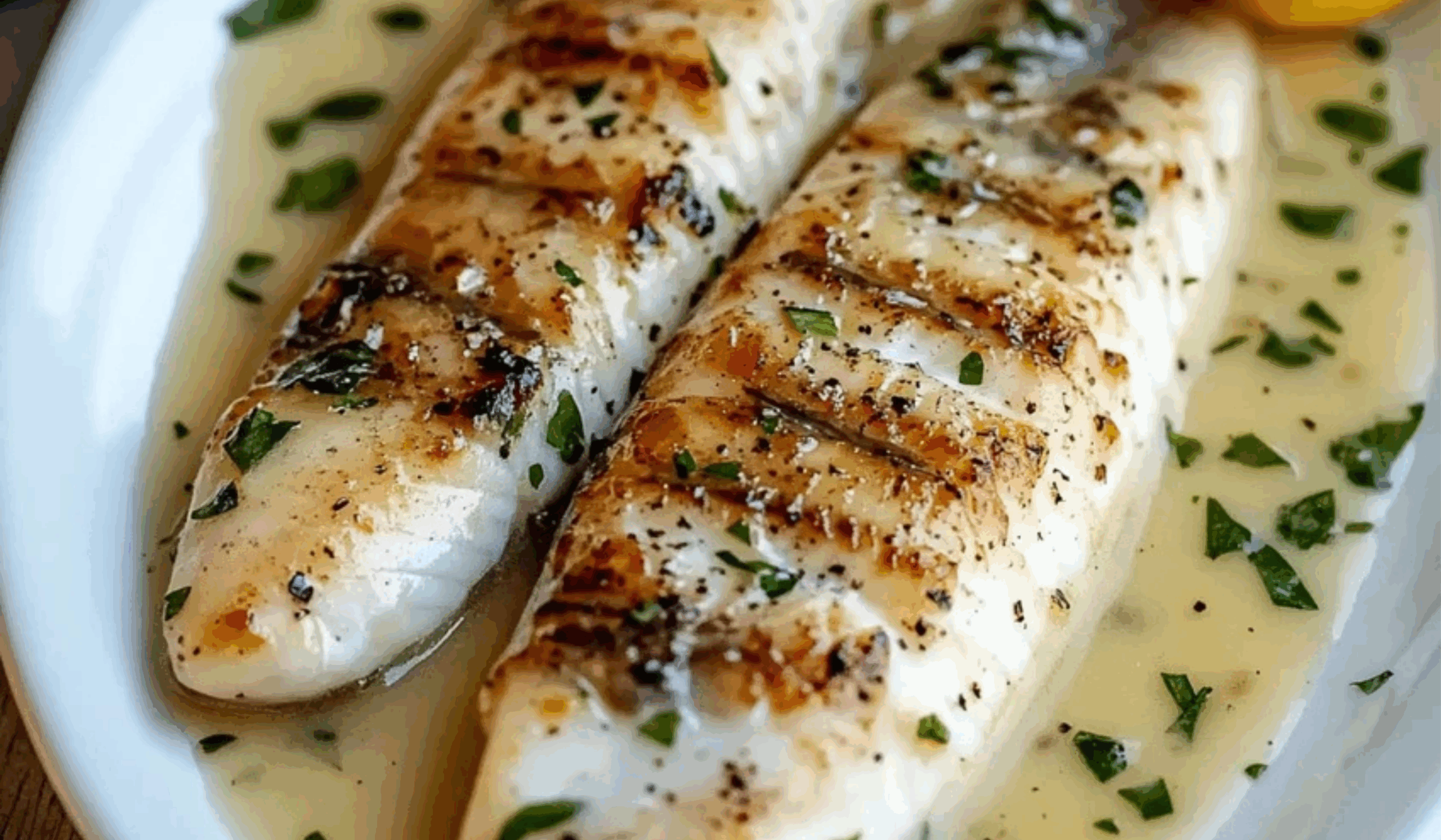
If you’ve ever dreamed of recreating the flavors of a fine-dining restaurant in your own kitchen, this fish with white wine sauce is the perfect place to begin. A classic dish rooted in French cuisine, it balances sophistication with ease, making it ideal for both novice cooks and seasoned food lovers. The highlight of the meal is the white wine sauce—a delicate, creamy blend that elevates the mild, flaky fish into a refined yet approachable dinner. This recipe requires no hard-to-find ingredients or complex techniques, only a little attention and a desire to serve something special. With a few simple steps and helpful tips, you’ll learn how to create a flavorful, elegant meal that’s perfect for a weeknight dinner or an impressive main for guests.
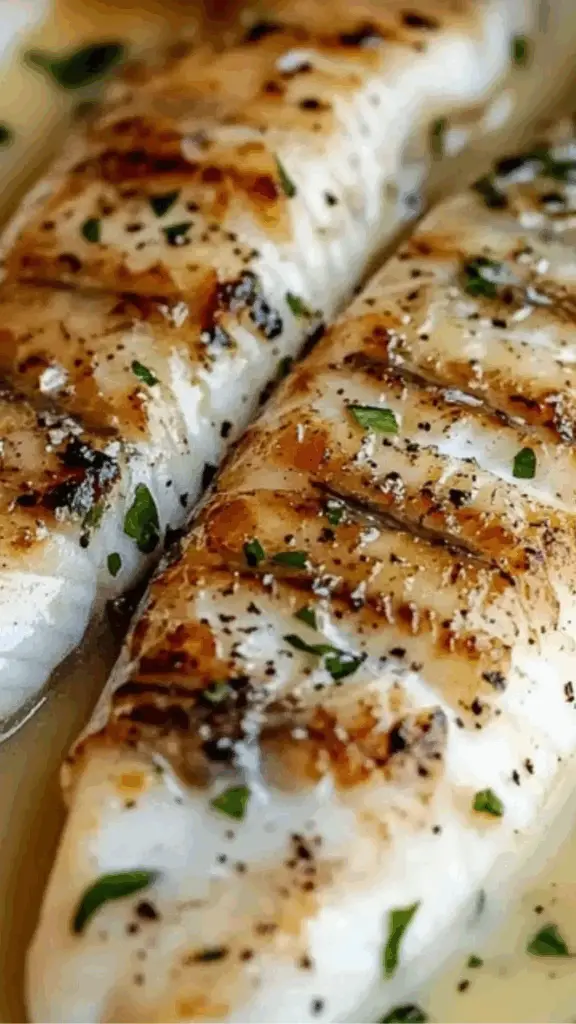
Ingredients and Preparation
For the Fish:
- 4 white fish fillets (around 150g or 5oz each), boneless and skinless
- 1/2 teaspoon salt
- 1/4 teaspoon freshly ground black pepper
- 2 tablespoons extra virgin olive oil
For the White Wine Sauce:
- 1 small eschalot, finely chopped (about 1 1/2 tablespoons)
- 1 1/4 cups dry white wine (like Chardonnay or Sauvignon Blanc)
- 1 teaspoon lemon juice
- 1 teaspoon white wine vinegar (optional, you can substitute with more lemon juice)
- 1/8 teaspoon salt
- A pinch of ground black pepper
- A pinch of sugar
- 1 cup thickened cream or heavy cream
- 30g unsalted butter, cold and diced into cubes
- 2 teaspoons finely chopped parsley (optional, for garnish)
Preparation Notes:
- Choose a firm white fish such as cod, tilapia, haddock, or snapper.
- Use a dry white wine for a richer flavor. Avoid overly sweet wines.
- Fresh eschalots add depth, but finely chopped white or yellow onions can be used as substitutes.
- Chill the butter before use for the best emulsification into the sauce.
- Prepare all ingredients before starting to cook to maintain flow and timing.
Step-by-Step Instructions
- Season the Fish
- Pat the fish fillets dry with a paper towel.
- Sprinkle each side with salt and pepper. Set aside while heating the pan.
- Sear the Fish
- Heat the olive oil in a non-stick skillet over medium-high heat.
- Place the fillets in the pan and sear for 2–3 minutes on one side until golden.
- Carefully flip and cook for another 2–3 minutes on the other side until the fish is cooked through and flakes easily with a fork.
- Transfer to a plate and cover loosely with foil to keep warm.
- Start the Sauce Base
- Reduce heat to medium. Add a small splash of oil if needed.
- Add the finely chopped eschalot and sauté for 1–2 minutes until translucent and fragrant.
- Pour in the white wine, lemon juice, and white wine vinegar. Stir briefly.
- Simmer the Sauce
- Allow the wine mixture to come to a simmer and cook for about 10–12 minutes.
- The liquid should reduce by at least half and become slightly syrupy.
- Stir occasionally and adjust heat as necessary to maintain a gentle simmer.
- Add Cream and Seasonings
- Pour in the cream and stir well to combine.
- Add a pinch of salt, pepper, and sugar.
- Continue to simmer for another 4–5 minutes until the sauce thickens slightly.
- Incorporate Butter
- Reduce the heat to low.
- Add the cold butter cubes one at a time, whisking continuously to incorporate each piece before adding the next.
- This will create a smooth, glossy finish and enrich the sauce’s flavor.
- Taste and Adjust
- Taste the sauce and adjust seasoning with more salt or lemon juice if needed.
- If the sauce is too thick, add a splash of wine or water to loosen it slightly.
- Plate and Serve
- Place the fish fillets on warm plates.
- Spoon the white wine sauce generously over each portion.
- Garnish with chopped parsley if desired.
- Serve immediately while hot.
Beginner Tips and Notes
- Choosing the Right Fish:
Look for white fish that holds its shape well during cooking. Freshness is key—firm texture and mild aroma are good indicators. - Don’t Overcook the Fish:
Fish cooks quickly. As soon as it turns opaque and flakes with a fork, it’s done. Overcooking makes it dry and tough. - Using Wine in Cooking:
Always use a wine you’d enjoy drinking. Low-quality wine can ruin the flavor of the sauce. If avoiding alcohol, use a mixture of chicken broth and lemon juice. - Sauce Consistency:
The sauce should coat the back of a spoon. If it’s too thin, simmer longer. If too thick, add more wine or cream. - Avoid High Heat After Adding Cream:
High heat can cause the cream to separate. Keep the heat low once the cream is added. - Balancing the Flavor:
The touch of sugar helps round out the acidity of the wine and lemon. Taste as you go to achieve the right balance. - Prepare Ahead:
You can prepare the sauce in advance and reheat gently before serving. Add the butter just before serving for the best texture.
Serving Suggestions
- Side Dishes:
- Serve with steamed or roasted vegetables like asparagus, green beans, or carrots.
- Mashed potatoes, wild rice, or crusty bread make great pairings to soak up the sauce.
- For a lighter option, try serving the fish over a bed of baby spinach or arugula.
- Meal Presentation:
- Plate the fish on a white or neutral dish to emphasize the color of the sauce.
- Garnish with a lemon wedge and chopped herbs for visual contrast.
- Occasions:
- This dish is ideal for date nights, dinner parties, or as a refined main course for holidays.
- Pair with a glass of the same white wine used in cooking for a cohesive flavor experience.
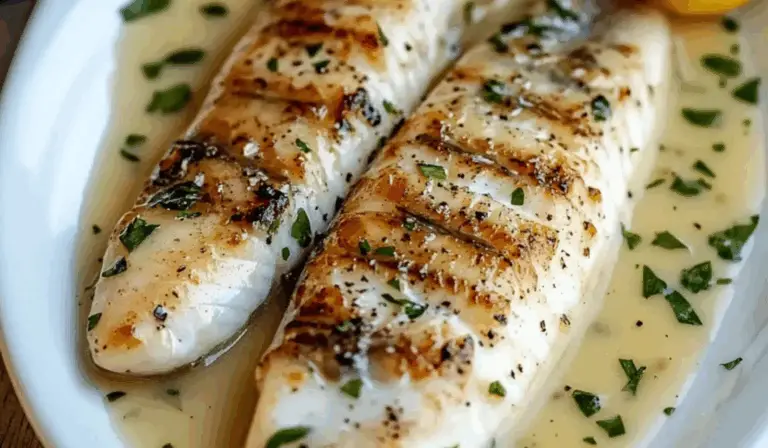
Elegant Fish with White Wine Sauce – A French-Inspired Delight for Home Cooks
Bring French elegance to your kitchen with this delicate Fish in White Wine Sauce! 🐟🍷 Light, flaky fish simmered in a buttery white wine reduction—simple, sophisticated, and so flavorful! 🍋✨ Perfect for dinner parties or a cozy night in, this dish makes you feel like a pro chef without the fuss. 🇫🇷👌
- Total Time: 30 minutes
- Yield: 4 servings 1x
Ingredients
For the Fish:
- 4 white fish fillets (around 150g or 5oz each), boneless and skinless
- 1/2 teaspoon salt
- 1/4 teaspoon freshly ground black pepper
- 2 tablespoons extra virgin olive oil
For the White Wine Sauce:
- 1 small eschalot, finely chopped (about 1 1/2 tablespoons)
- 1 1/4 cups dry white wine (like Chardonnay or Sauvignon Blanc)
- 1 teaspoon lemon juice
- 1 teaspoon white wine vinegar (optional, you can substitute with more lemon juice)
- 1/8 teaspoon salt
- A pinch of ground black pepper
- A pinch of sugar
- 1 cup thickened cream or heavy cream
- 30g unsalted butter, cold and diced into cubes
- 2 teaspoons finely chopped parsley (optional, for garnish)
Preparation Notes:
- Choose a firm white fish such as cod, tilapia, haddock, or snapper.
- Use a dry white wine for a richer flavor. Avoid overly sweet wines.
- Fresh eschalots add depth, but finely chopped white or yellow onions can be used as substitutes.
- Chill the butter before use for the best emulsification into the sauce.
- Prepare all ingredients before starting to cook to maintain flow and timing.
Instructions
- Season the Fish
- Pat the fish fillets dry with a paper towel.
- Sprinkle each side with salt and pepper. Set aside while heating the pan.
- Sear the Fish
- Heat the olive oil in a non-stick skillet over medium-high heat.
- Place the fillets in the pan and sear for 2–3 minutes on one side until golden.
- Carefully flip and cook for another 2–3 minutes on the other side until the fish is cooked through and flakes easily with a fork.
- Transfer to a plate and cover loosely with foil to keep warm.
- Start the Sauce Base
- Reduce heat to medium. Add a small splash of oil if needed.
- Add the finely chopped eschalot and sauté for 1–2 minutes until translucent and fragrant.
- Pour in the white wine, lemon juice, and white wine vinegar. Stir briefly.
- Simmer the Sauce
- Allow the wine mixture to come to a simmer and cook for about 10–12 minutes.
- The liquid should reduce by at least half and become slightly syrupy.
- Stir occasionally and adjust heat as necessary to maintain a gentle simmer.
- Add Cream and Seasonings
- Pour in the cream and stir well to combine.
- Add a pinch of salt, pepper, and sugar.
- Continue to simmer for another 4–5 minutes until the sauce thickens slightly.
- Incorporate Butter
- Reduce the heat to low.
- Add the cold butter cubes one at a time, whisking continuously to incorporate each piece before adding the next.
- This will create a smooth, glossy finish and enrich the sauce’s flavor.
- Taste and Adjust
- Taste the sauce and adjust seasoning with more salt or lemon juice if needed.
- If the sauce is too thick, add a splash of wine or water to loosen it slightly.
- Plate and Serve
- Place the fish fillets on warm plates.
- Spoon the white wine sauce generously over each portion.
- Garnish with chopped parsley if desired.
- Serve immediately while hot.
Notes
- Choosing the Right Fish:
Look for white fish that holds its shape well during cooking. Freshness is key—firm texture and mild aroma are good indicators. - Don’t Overcook the Fish:
Fish cooks quickly. As soon as it turns opaque and flakes with a fork, it’s done. Overcooking makes it dry and tough. - Using Wine in Cooking:
Always use a wine you’d enjoy drinking. Low-quality wine can ruin the flavor of the sauce. If avoiding alcohol, use a mixture of chicken broth and lemon juice. - Sauce Consistency:
The sauce should coat the back of a spoon. If it’s too thin, simmer longer. If too thick, add more wine or cream. - Avoid High Heat After Adding Cream:
High heat can cause the cream to separate. Keep the heat low once the cream is added. - Balancing the Flavor:
The touch of sugar helps round out the acidity of the wine and lemon. Taste as you go to achieve the right balance. - Prepare Ahead:
You can prepare the sauce in advance and reheat gently before serving. Add the butter just before serving for the best texture.
- Prep Time: 10 minutes
- Cook Time: 20 minutes
Engagement Features
Have you tried making this fish with white wine sauce at home? Let us know how it turned out—did you try a different kind of fish or adjust the sauce to your liking? If you’re new to cooking with wine or want more tips, feel free to ask questions. We’d love to hear your take on this recipe and any creative spins you gave it. Share your feedback, tell us what worked well, and don’t hesitate to reach out if you need help along the way. Happy cooking!