Introduction
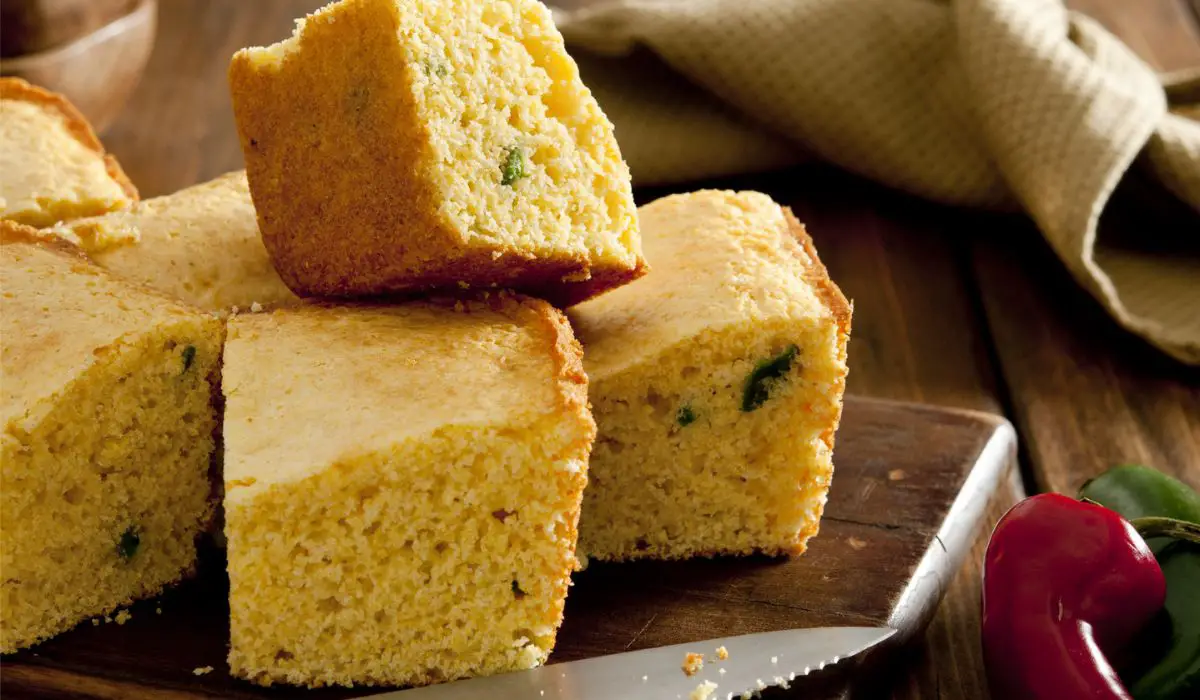
Cornbread, a beloved Southern staple, has earned its place on dinner tables across the United States. With its golden crust and tender crumb, this versatile bread is the perfect accompaniment to hearty meals or a delightful snack on its own. In this comprehensive guide, we’ll walk you through the process of making irresistible cornbread from scratch.
Table of contents
The Allure of Cornbread
Cornbread’s allure lies in its simplicity and versatility. It offers a delightful combination of sweet and savory flavors, making it a versatile side dish that pairs well with a variety of dishes. Whether you’re serving it alongside a bowl of chili, fried chicken, or simply enjoying it with a drizzle of honey, cornbread never disappoints.
Cornbread’s enduring popularity can be attributed to its rich history and cultural significance. It has deep roots in Southern cuisine, where it was initially prepared by Native Americans using cornmeal and water, a tradition that dates back centuries. As European settlers arrived in North America, cornbread evolved, incorporating ingredients like buttermilk, eggs, and leavening agents. Over time, it became a cherished comfort food enjoyed by generations.
Ingredients that Make a Difference
Cornmeal, Flour, and Baking Powder
The heart of cornbread is, of course, cornmeal. It provides the signature corn flavor and texture. Combine it with all-purpose flour for the perfect balance of crumbly and tender. Baking powder gives the bread its light and airy quality, ensuring it rises beautifully.
When selecting cornmeal, you have options. Yellow cornmeal imparts a more traditional flavor, while white cornmeal results in a milder taste. You can even experiment with stone-ground cornmeal for a coarser texture and enhanced flavor.
Buttermilk and Eggs
Buttermilk and eggs are essential for moisture and structure. Buttermilk adds a subtle tanginess that complements the sweetness of the cornbread, while eggs bind the ingredients together, resulting in a cohesive and delicious bread.
If you don’t have buttermilk on hand, fear not. You can create a simple buttermilk substitute by adding 1 tablespoon of white vinegar or lemon juice to 1 cup of milk. Let it sit for a few minutes, and you have a suitable alternative that works wonderfully in your cornbread recipe.
Sugar and Salt
The sugar in cornbread contributes to its slightly sweet taste, making it the ideal partner for spicy dishes or salty accompaniments. A pinch of salt balances the sweetness, enhancing the overall flavor.
The key to achieving the perfect balance of sweet and savory in your cornbread lies in careful measurement and experimentation. Some prefer their cornbread sweeter, while others lean towards a more savory profile. Adjust the sugar and salt to suit your taste preferences and the dishes you plan to serve it with.
Crafting Your Cornbread
Let’s dive into the steps of crafting your perfect cornbread:
1. Preheat and Prepare
- Preheat your oven to 425°F (220°C). Grease a 9×9-inch (23×23 cm) baking pan or cast-iron skillet with butter or cooking spray.
2. Mix Dry Ingredients
- In a mixing bowl, combine 1 cup of cornmeal, 1 cup of all-purpose flour, 1/4 cup of sugar, 1 tablespoon of baking powder, and 1/2 teaspoon of salt. Stir until well mixed.
3. Combine Wet Ingredients
- In a separate bowl, whisk together 1 cup of buttermilk, 2 large eggs, and 1/4 cup of melted butter.
4. Combine Wet and Dry
- Pour the wet ingredients into the dry ingredients and stir until just combined. Be careful not to overmix; a few lumps are okay.
5. Bake to Perfection
- Pour the batter into the prepared baking pan or skillet.
- Bake for 20-25 minutes or until the top is golden brown, and a toothpick inserted into the center comes out clean.
6. Serve Warm
- Cornbread is best enjoyed warm. Allow it to cool for a few minutes before slicing and serving.
Frequently Asked Questions (FAQs)
Q: Can I make cornbread without buttermilk?
A: If you don’t have buttermilk, you can make a simple buttermilk substitute by adding 1 tablespoon of white vinegar or lemon juice to 1 cup of milk. Let it sit for a few minutes before using it in the recipe. This homemade buttermilk alternative works well and maintains the signature tangy flavor in your cornbread.
Q: Is there a way to make cornbread gluten-free?
A: Yes, you can make gluten-free cornbread by using a gluten-free flour blend in place of all-purpose flour. Additionally, ensure your cornmeal is certified gluten-free to avoid cross-contamination. By making this substitution, you can enjoy delicious cornbread while adhering to a gluten-free diet.
Q: Can I add other ingredients to my cornbread?
A: Absolutely! Cornbread is a canvas for creativity. You can add ingredients like chopped jalapeños, shredded cheese, corn kernels, or even diced bacon to enhance the flavor and texture. Experimenting with different additions allows you to customize your cornbread to your liking, creating exciting variations to enjoy.
Q: How do I store leftover cornbread?
A: To keep your cornbread fresh, store it in an airtight container at room temperature for up to two days. For longer storage, wrap it tightly and freeze for up to three months. When reheating frozen cornbread, place it in a preheated oven at 350°F (175°C) for about 10-15 minutes until warmed through.
Q: What makes cornbread crumbly?
A: The combination of cornmeal and all-purpose flour in the recipe contributes to cornbread’s crumbly texture. It’s this crumbly quality that makes it so delightful to eat, especially when served warm with a pat of butter or drizzle of honey. The coarse texture of cornmeal adds to the charm of this classic bread.
Q: Can I make cornbread ahead of time for a special occasion?
A: Yes, you can make cornbread ahead of time and reheat it in the oven or microwave just before serving. It’s a convenient option for busy occasions or when you want to prepare in advance. Simply wrap the cooled cornbread tightly in aluminum foil and store it in the refrigerator. When ready to serve, warm it in a 350°F (175°C) oven for about 10 minutes or microwave individual slices for a few seconds.
Conclusion
Cornbread is a cherished classic that has stood the test of time for good reason. Its irresistible blend of sweet and savory flavors, coupled with its versatility, makes it a favorite for many. With this guide, you can now create perfect cornbread from scratch and elevate your meals to a new level of deliciousness.
So, whether you’re planning a Southern-inspired feast, hosting a gathering, or simply want to savor the comforting taste of homemade cornbread, follow these steps,