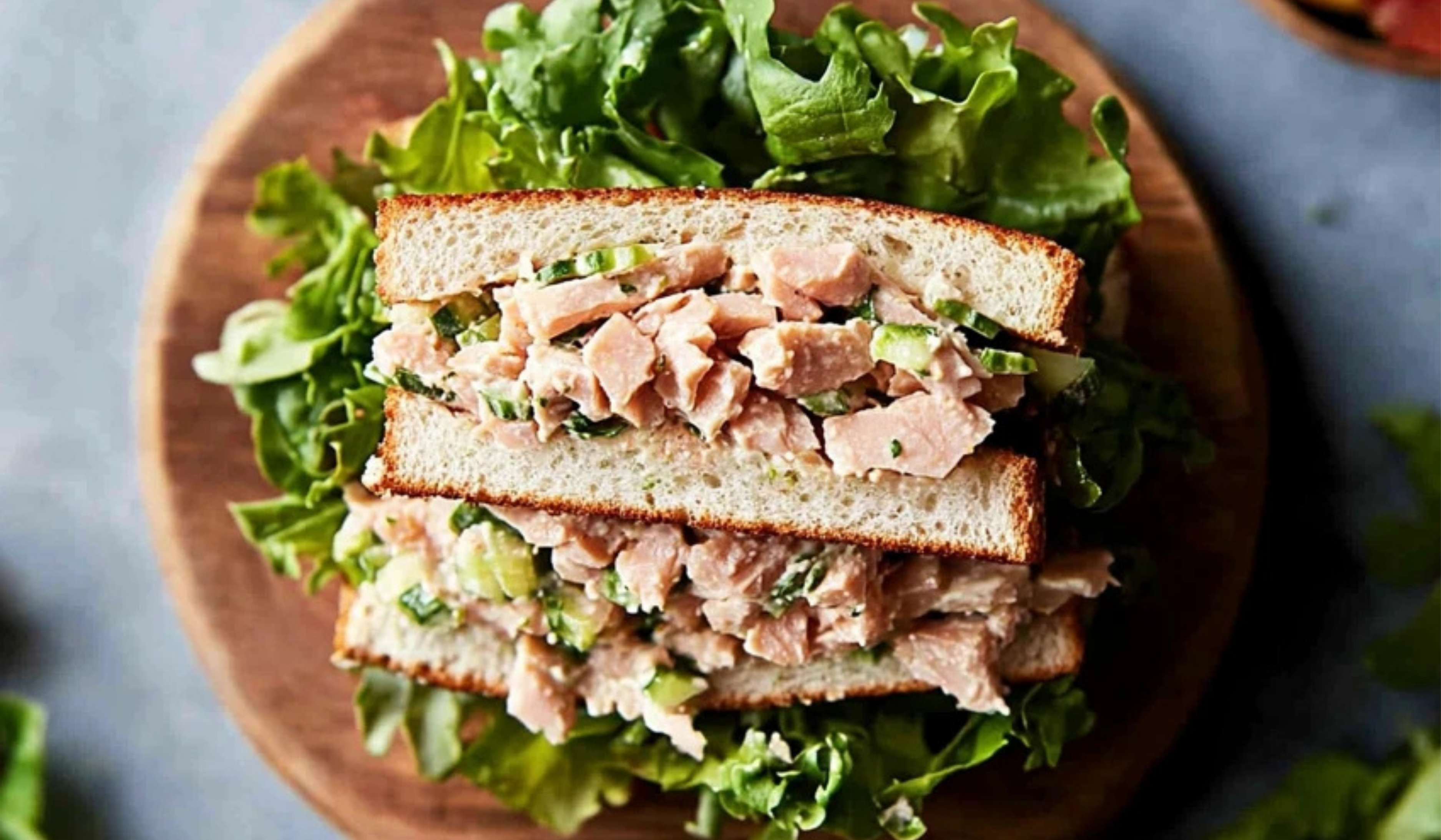
Tuna salad has long been a staple in many households. It’s quick, affordable, and packed with protein, making it a great option for busy individuals, students, or anyone looking for a simple yet satisfying meal. My first experience with tuna salad came during my college years when I had limited ingredients and even less time to prepare elaborate meals. I quickly discovered that with a few pantry staples and some creativity, I could turn canned tuna into a flavorful, filling dish that worked for sandwiches, wraps, or even as a topping for fresh greens.
Print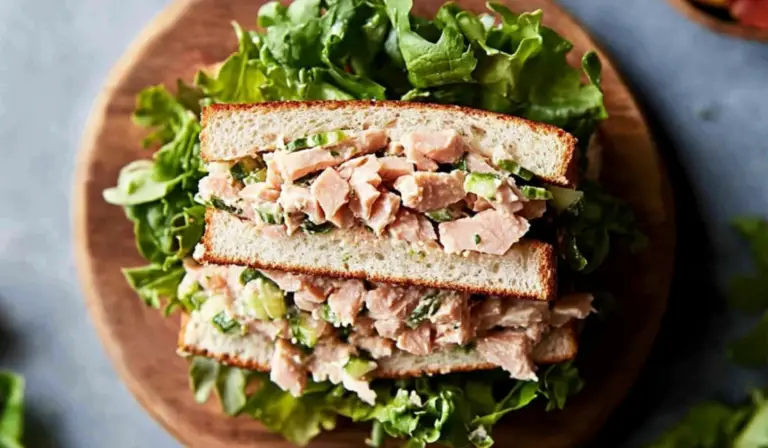
The Ultimate Beginner-Friendly Tuna Salad Recipe
Fresh, creamy, and packed with flavor—this Tuna Salad is the perfect quick meal! 🥪🐟 With flaky tuna, crisp veggies, and a tangy dressing, it’s great for sandwiches, wraps, or a light salad bowl. Perfect for beginners and meal prep lovers!
- Total Time: 15 minutes
- Yield: 4 sandwiches 1x
Ingredients
- Mayonnaise (¼-½ cup) – Adjust the amount based on how creamy you want your tuna salad. For a lighter option, substitute with Greek yogurt or mashed avocado.
- Dill pickle relish (2 tablespoons) – Adds tanginess and a slight crunch. If you prefer, you can use chopped dill pickles instead.
- Parmesan cheese (1 tablespoon) – Adds a rich, umami flavor. You can substitute it with shredded cheddar or omit it for a dairy-free version.
- Onion powder (¼ teaspoon) – Enhances the flavor without the sharpness of raw onion.
- Garlic powder (¼ teaspoon) – Provides a mild, savory depth.
- Curry powder (¼ teaspoon) – A secret ingredient that adds warmth and complexity to the dish. If you prefer a more traditional flavor, you can leave it out.
- Dried parsley (½ teaspoon) – Brings freshness to the mix. You can use fresh parsley if available.
- Dried dill weed (½ teaspoon) – Complements the relish and adds a distinct herby note.
- Salt and pepper (to taste) – Essential for balancing flavors.
- Canned tuna (2 cans, 5 oz each, drained and flaked) – Choose tuna packed in water for a lighter option or in oil for extra richness.
- Celery (1 stalk, diced) – Adds crunch and freshness.
- Red onion (2 tablespoons, finely diced) – Provides a mild sharpness and a pop of color. If red onion is too strong, use green onions or shallots.
Instructions
Step 1: Prepare the Dressing
In a large mixing bowl, whisk together the mayonnaise, dill pickle relish, parmesan cheese, onion powder, garlic powder, curry powder, dried parsley, dill, salt, and pepper. This ensures that all the seasonings are evenly distributed before adding the other ingredients.
Step 2: Add the Tuna and Vegetables
Stir in the drained and flaked tuna, diced celery, and finely chopped red onion. Use a fork to mix gently, making sure the tuna is well coated with the dressing without breaking it down too much.
Step 3: Adjust the Seasoning
Taste the tuna salad and adjust the seasoning as needed. If it needs more tanginess, add a little extra relish. If it feels too thick, a small splash of lemon juice or a teaspoon of olive oil can help loosen the texture.
Step 4: Chill (Optional but Recommended)
For the best flavor, cover the bowl and refrigerate for at least 30 minutes before serving. This allows the flavors to meld together, creating a more cohesive taste.
Step 5: Serve and Enjoy
Tuna salad is incredibly versatile. Serve it immediately or store it for later use.
Notes
How to Tell if Tuna is Fresh
When using canned tuna, always check the expiration date and give it a quick smell before mixing it into the salad. Fresh tuna should have a clean, mild scent. If it has a strong fishy odor, it’s best to discard it.
Avoid Overmixing
Stir gently when combining the ingredients. Overmixing can make the tuna too mushy, which affects the texture of the salad.
Balancing Flavors
If the salad tastes too bland, try adding a bit more salt, a squeeze of lemon juice, or a small drizzle of olive oil. If it’s too tangy, adding an extra tablespoon of mayonnaise can help balance it out.
Efficient Meal Prep
To save time, chop the celery and onion in advance and store them in an airtight container in the refrigerator. This way, you can prepare the salad in just a few minutes when needed.
Ingredient Substitutions
- Instead of mayonnaise, try Greek yogurt or mashed avocado for a healthier option.
- Swap out red onion for green onions if you prefer a milder flavor.
- For extra protein, mix in some shredded rotisserie chicken or cooked shredded beef.
- Prep Time: 15 minutes
What makes this recipe stand out is its balance of creamy, tangy, and savory flavors. Unlike the standard tuna salad made with just mayonnaise and a bit of seasoning, this version incorporates dill pickle relish, parmesan cheese, and a unique blend of spices. These small additions elevate the dish, making it more flavorful while remaining easy to prepare.
Perfect for beginners, this tuna salad requires no cooking, just simple chopping and mixing. Whether you’re preparing a quick lunch or a light dinner, this recipe is an excellent choice for anyone looking to build their confidence in the kitchen.
Why This Recipe is Great for Beginners
- Simplicity – No stove or oven is required, making it a great recipe for those new to cooking.
- Time Efficiency – The entire process takes only 15 minutes, making it ideal for busy schedules.
- Nutritional Value – Tuna is a lean source of protein, and this recipe includes fresh vegetables and herbs to enhance its health benefits.
- Versatility – Serve it in a sandwich, on a salad, in a wrap, or with crackers for a quick snack.
- Customizable – With a few ingredient swaps, you can tailor it to your personal taste.
Ingredients and Substitutions
This recipe relies on pantry staples, but there is room for customization depending on your preferences or dietary needs.
- Mayonnaise (¼-½ cup) – Adjust the amount based on how creamy you want your tuna salad. For a lighter option, substitute with Greek yogurt or mashed avocado.
- Dill pickle relish (2 tablespoons) – Adds tanginess and a slight crunch. If you prefer, you can use chopped dill pickles instead.
- Parmesan cheese (1 tablespoon) – Adds a rich, umami flavor. You can substitute it with shredded cheddar or omit it for a dairy-free version.
- Onion powder (¼ teaspoon) – Enhances the flavor without the sharpness of raw onion.
- Garlic powder (¼ teaspoon) – Provides a mild, savory depth.
- Curry powder (¼ teaspoon) – A secret ingredient that adds warmth and complexity to the dish. If you prefer a more traditional flavor, you can leave it out.
- Dried parsley (½ teaspoon) – Brings freshness to the mix. You can use fresh parsley if available.
- Dried dill weed (½ teaspoon) – Complements the relish and adds a distinct herby note.
- Salt and pepper (to taste) – Essential for balancing flavors.
- Canned tuna (2 cans, 5 oz each, drained and flaked) – Choose tuna packed in water for a lighter option or in oil for extra richness.
- Celery (1 stalk, diced) – Adds crunch and freshness.
- Red onion (2 tablespoons, finely diced) – Provides a mild sharpness and a pop of color. If red onion is too strong, use green onions or shallots.
Step-by-Step Instructions
Step 1: Prepare the Dressing
In a large mixing bowl, whisk together the mayonnaise, dill pickle relish, parmesan cheese, onion powder, garlic powder, curry powder, dried parsley, dill, salt, and pepper. This ensures that all the seasonings are evenly distributed before adding the other ingredients.
Step 2: Add the Tuna and Vegetables
Stir in the drained and flaked tuna, diced celery, and finely chopped red onion. Use a fork to mix gently, making sure the tuna is well coated with the dressing without breaking it down too much.
Step 3: Adjust the Seasoning
Taste the tuna salad and adjust the seasoning as needed. If it needs more tanginess, add a little extra relish. If it feels too thick, a small splash of lemon juice or a teaspoon of olive oil can help loosen the texture.
Step 4: Chill (Optional but Recommended)
For the best flavor, cover the bowl and refrigerate for at least 30 minutes before serving. This allows the flavors to meld together, creating a more cohesive taste.
Step 5: Serve and Enjoy
Tuna salad is incredibly versatile. Serve it immediately or store it for later use.
Beginner Tips and Notes
How to Tell if Tuna is Fresh
When using canned tuna, always check the expiration date and give it a quick smell before mixing it into the salad. Fresh tuna should have a clean, mild scent. If it has a strong fishy odor, it’s best to discard it.
Avoid Overmixing
Stir gently when combining the ingredients. Overmixing can make the tuna too mushy, which affects the texture of the salad.
Balancing Flavors
If the salad tastes too bland, try adding a bit more salt, a squeeze of lemon juice, or a small drizzle of olive oil. If it’s too tangy, adding an extra tablespoon of mayonnaise can help balance it out.
Efficient Meal Prep
To save time, chop the celery and onion in advance and store them in an airtight container in the refrigerator. This way, you can prepare the salad in just a few minutes when needed.
Ingredient Substitutions
- Instead of mayonnaise, try Greek yogurt or mashed avocado for a healthier option.
- Swap out red onion for green onions if you prefer a milder flavor.
- For extra protein, mix in some shredded rotisserie chicken or cooked shredded beef.

Serving Suggestions
Tuna salad can be enjoyed in many ways, depending on your preference and dietary needs.
Classic Tuna Salad Sandwich
Spread the tuna salad onto whole wheat bread, sourdough, or a toasted baguette. Add lettuce, sliced tomatoes, and cucumber for extra crunch and freshness.
Tuna Wraps
Use a whole wheat tortilla or a spinach wrap and fill it with tuna salad, shredded lettuce, and a handful of shredded carrots. Roll it up for a quick, portable lunch.
Tuna Salad on Greens
For a lighter meal, serve the tuna salad on a bed of mixed greens, baby spinach, or romaine lettuce. Drizzle with a bit of olive oil and lemon juice for extra flavor.
Tuna-Stuffed Avocados
For a low-carb option, scoop out the center of an avocado and fill it with a generous spoonful of tuna salad. The creamy avocado complements the flavors perfectly.
With Crackers or Pita Chips
Serve tuna salad as a dip with whole grain crackers, pita chips, or cucumber slices for a refreshing snack.
Storage Tips
Tuna salad can be stored in an airtight container in the refrigerator for up to 3 days. Stir well before serving, as the dressing may separate slightly. If needed, add a little extra mayonnaise or a splash of lemon juice to refresh the flavors.
Conclusion
This beginner-friendly tuna salad recipe is a fantastic addition to any meal plan. It’s easy to make, packed with flavor, and highly versatile. Whether you’re making it for a quick lunch, a family meal, or meal prepping for the week, this recipe offers flexibility and convenience.
If you’re new to cooking, this is a great dish to start with. The simple steps and accessible ingredients make it a foolproof recipe that delivers delicious results every time. Give it a try and experiment with different variations to make it your own.
I’d love to hear how your tuna salad turns out. Share your experience and any modifications you tried in the comments. Happy cooking!