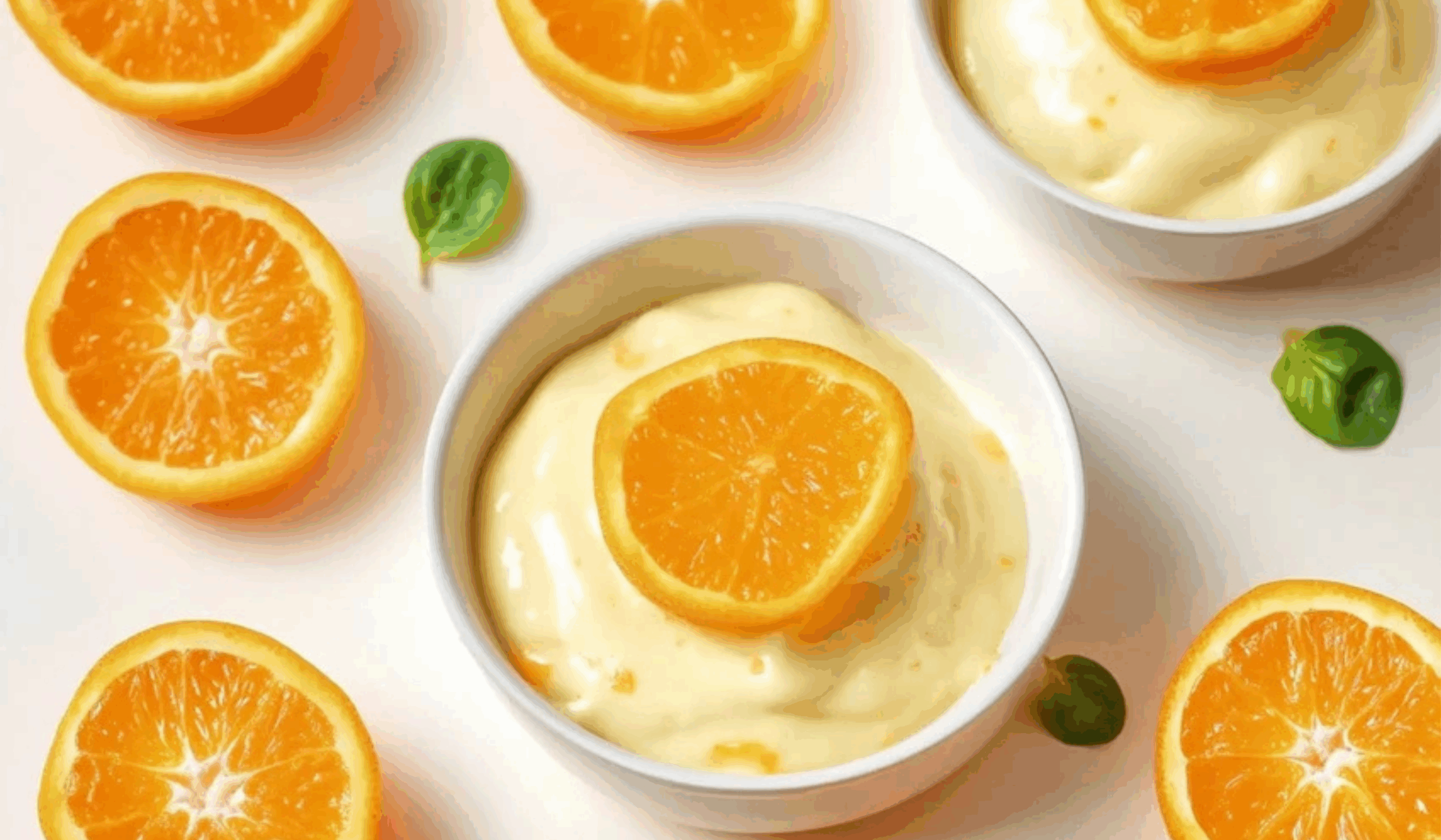
Custard is a timeless dessert that combines creamy richness with a comforting texture. When infused with fresh orange juice and zest, custard takes on a bright and refreshing twist. Cold orange custard is a delightful dessert perfect for warm days or as a light, citrusy finish to any meal. This recipe is simple enough for beginners, requiring basic ingredients and straightforward techniques. It avoids pork, ham, or bacon, making it suitable for those who prefer chicken or beef substitutions in other meals, but here the focus is on fresh, wholesome ingredients for dessert. The result is a smooth, luscious custard bursting with fresh orange flavor and subtle sweetness. Below is a detailed guide to help you create this wonderful dessert from start to finish.
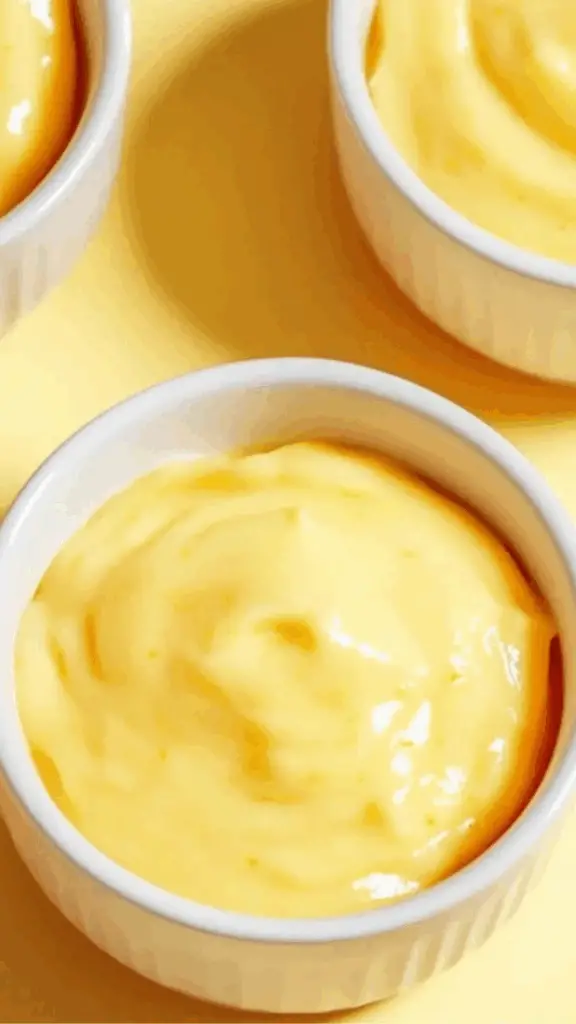
Ingredients and Preparation
The following ingredients are easy to find, and simple preparation steps will make this recipe beginner-friendly.
Ingredients:
- 2 cups fresh orange juice (about 4–6 medium oranges)
- 2 tablespoons orange zest (only the orange part, no bitter white pith)
- 2 cups whole milk (or your preferred milk alternative such as almond or oat milk)
- 1/2 cup granulated sugar (adjustable to taste)
- 3 tablespoons cornstarch (or arrowroot powder)
- 3 large egg yolks
- 1/2 teaspoon vanilla extract
- 1/4 teaspoon salt
- Optional toppings: fresh orange slices, whipped cream, toasted nuts
Preparation notes:
- Use fresh oranges for the best flavor. Avoid bottled juice as it lacks the brightness of fresh juice.
- Zest the oranges before juicing to make sure you capture the aromatic oils in the peel.
- Strain the juice to remove pulp and seeds for a smooth custard texture.
Step-by-Step Instructions
- Prepare the orange juice and zest
- Wash the oranges thoroughly.
- Use a fine grater or zester to remove only the colored outer layer of the peel. Avoid the white pith as it adds bitterness.
- Juice the oranges to yield 2 cups of fresh juice. Strain through a fine sieve to remove pulp and seeds.
- Combine dry ingredients
- In a medium saucepan, whisk together the sugar, cornstarch, and salt. This step ensures smooth incorporation and prevents lumps.
- Add wet ingredients
- In a separate bowl, lightly beat the egg yolks.
- Gradually add the milk to the dry ingredients in the saucepan, whisking continuously to blend.
- Slowly stir in the beaten egg yolks.
- Cook the custard base
- Place the saucepan on medium-low heat.
- Stir constantly with a wooden spoon or heatproof spatula to avoid lumps or scorching.
- Cook for about 7–10 minutes until the mixture thickens enough to coat the back of a spoon. Avoid boiling to prevent curdling.
- Incorporate orange juice and zest
- Once thickened, gradually add the fresh orange juice while stirring continuously.
- Stir in the orange zest and vanilla extract.
- Continue to cook for an additional 5–7 minutes until the custard thickens again and develops a glossy appearance.
- Strain and cool the custard
- Pour the custard through a fine mesh sieve into a clean bowl to remove any lumps or zest pieces.
- Cover the surface with plastic wrap pressed directly onto the custard to prevent a skin from forming.
- Refrigerate for at least 3–4 hours or overnight until fully chilled.
Beginner Tips and Notes
Making custard might seem intimidating, but this recipe breaks it down clearly to ensure success.
- Use fresh ingredients: Fresh oranges and real vanilla extract make a noticeable difference in flavor.
- Control the heat: Cook over medium-low heat to prevent the eggs from scrambling. Patience is key.
- Whisk constantly: This keeps the mixture smooth and prevents lumps or burning on the pan’s bottom.
- Don’t skip straining: Even if you don’t see lumps, straining ensures a silky smooth custard.
- Choose your milk wisely: Whole milk gives the creamiest texture, but plant-based milks can work well.
- Egg-free option: Omit egg yolks and increase cornstarch by 1 tablespoon to thicken without eggs.
- Make ahead: The custard improves in flavor and texture after chilling overnight.
- Add texture: Sprinkle toasted nuts or a bit of granola on top just before serving for crunch.
Serving Suggestions
Cold orange custard is versatile and can be served in many appealing ways to suit your occasion.
- Simple presentation: Serve chilled in individual ramekins or dessert glasses with a few thin orange slices on top.
- Layered parfait: Alternate custard with whipped cream and crushed cookies or graham crackers for added texture.
- Fresh fruit accompaniment: Berries, kiwi, or pineapple work beautifully alongside citrus flavors.
- Pair with baked goods: Complement the custard with vanilla sponge cake, madeleines, or shortbread biscuits.
- Garnish ideas: Add a small sprig of fresh mint or a dusting of cinnamon or nutmeg for a warm aromatic touch.
- Use as tart filling: Pour chilled custard into a pre-baked tart shell, chill, and serve for an elegant citrus tart.
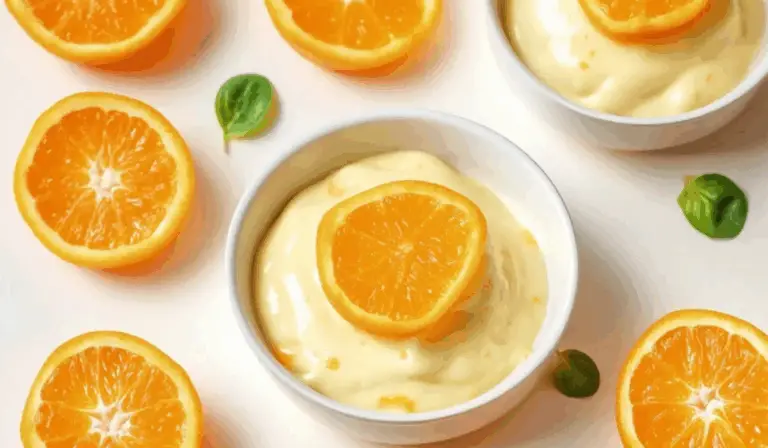
Refreshing Cold Orange Custard: A Zesty Classic for All Seasons
Beat the heat with this Refreshing Cold Orange Custard! 🍊❄️ Smooth, creamy, and bursting with bright citrus flavor, it’s the perfect dessert for any season. Easy to make and delightfully light, this classic treat will cool you down and brighten your day in every spoonful! 🍮✨
- Total Time: 30 minutes
- Yield: 4 servings 1x
Ingredients
- 2 cups fresh orange juice (about 4–6 medium oranges)
- 2 tablespoons orange zest (only the orange part, no bitter white pith)
- 2 cups whole milk (or your preferred milk alternative such as almond or oat milk)
- 1/2 cup granulated sugar (adjustable to taste)
- 3 tablespoons cornstarch (or arrowroot powder)
- 3 large egg yolks
- 1/2 teaspoon vanilla extract
- 1/4 teaspoon salt
- Optional toppings: fresh orange slices, whipped cream, toasted nuts
Preparation notes:
- Use fresh oranges for the best flavor. Avoid bottled juice as it lacks the brightness of fresh juice.
- Zest the oranges before juicing to make sure you capture the aromatic oils in the peel.
- Strain the juice to remove pulp and seeds for a smooth custard texture.
Instructions
- Prepare the orange juice and zest
- Wash the oranges thoroughly.
- Use a fine grater or zester to remove only the colored outer layer of the peel. Avoid the white pith as it adds bitterness.
- Juice the oranges to yield 2 cups of fresh juice. Strain through a fine sieve to remove pulp and seeds.
- Combine dry ingredients
- In a medium saucepan, whisk together the sugar, cornstarch, and salt. This step ensures smooth incorporation and prevents lumps.
- Add wet ingredients
- In a separate bowl, lightly beat the egg yolks.
- Gradually add the milk to the dry ingredients in the saucepan, whisking continuously to blend.
- Slowly stir in the beaten egg yolks.
- Cook the custard base
- Place the saucepan on medium-low heat.
- Stir constantly with a wooden spoon or heatproof spatula to avoid lumps or scorching.
- Cook for about 7–10 minutes until the mixture thickens enough to coat the back of a spoon. Avoid boiling to prevent curdling.
- Incorporate orange juice and zest
- Once thickened, gradually add the fresh orange juice while stirring continuously.
- Stir in the orange zest and vanilla extract.
- Continue to cook for an additional 5–7 minutes until the custard thickens again and develops a glossy appearance.
- Strain and cool the custard
- Pour the custard through a fine mesh sieve into a clean bowl to remove any lumps or zest pieces.
- Cover the surface with plastic wrap pressed directly onto the custard to prevent a skin from forming.
- Refrigerate for at least 3–4 hours or overnight until fully chilled.
Notes
- Use fresh ingredients: Fresh oranges and real vanilla extract make a noticeable difference in flavor.
- Control the heat: Cook over medium-low heat to prevent the eggs from scrambling. Patience is key.
- Whisk constantly: This keeps the mixture smooth and prevents lumps or burning on the pan’s bottom.
- Don’t skip straining: Even if you don’t see lumps, straining ensures a silky smooth custard.
- Choose your milk wisely: Whole milk gives the creamiest texture, but plant-based milks can work well.
- Egg-free option: Omit egg yolks and increase cornstarch by 1 tablespoon to thicken without eggs.
- Make ahead: The custard improves in flavor and texture after chilling overnight.
- Add texture: Sprinkle toasted nuts or a bit of granola on top just before serving for crunch.
- Prep Time: 15 minutes
- Cook Time: 15 minutes
Engagement Features
Trying this recipe is just the start of your custard adventure. To make your kitchen experience interactive and inspiring, here are some ideas and questions to think about:
- Have you ever experimented with other citrus fruits in custards, like lemon, grapefruit, or blood orange? How did the flavors compare?
- What toppings or mix-ins do you find best complement the creamy texture of custard? Do you prefer crunchy nuts, fresh fruits, or something else?
- Would you try making this custard in smaller portions as individual gifts or party favors? How would you present them?
- Are you interested in exploring egg-free or dairy-free custards next? There are many delicious variations to try.
- If you were to add a spice or herb (like cinnamon, ginger, or basil) to this orange custard, which would you choose and why?
- Share your results! How did your cold orange custard turn out? What worked well, and what would you change next time?
Cold orange custard is a delightful way to bring brightness and creaminess to your dessert table. Its ease and elegance make it accessible to cooks of all levels. Once you master this recipe, it opens the door to endless citrus custard variations, creative presentations, and even savory custard experiments. Enjoy the process, savor the flavors, and share the joy of homemade custard with friends and family.