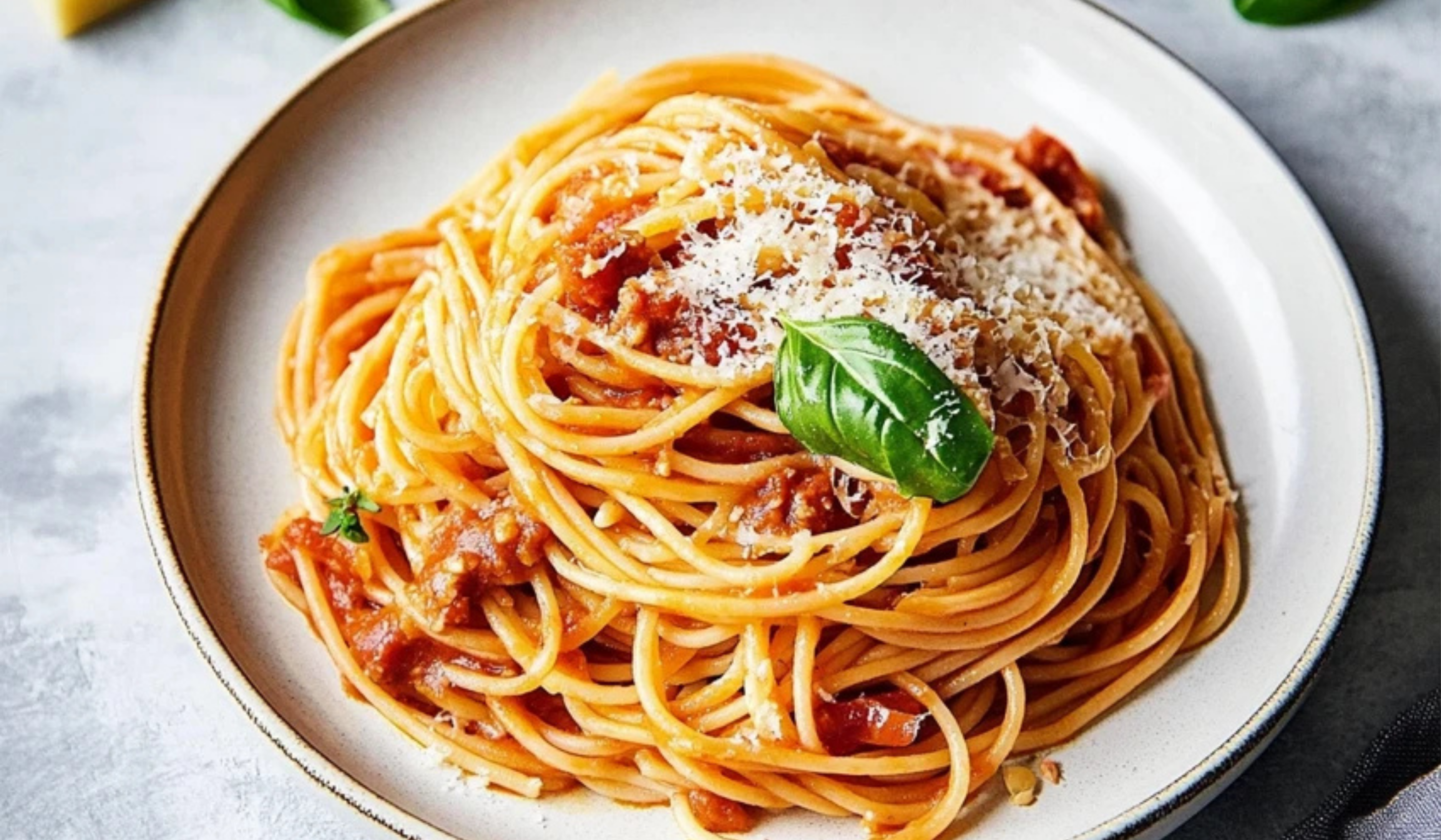
The rich aroma of slow-simmered tomato sauce, the satisfying bite of perfectly cooked spaghetti, and the comforting warmth of a home-cooked meal—Spaghetti Bolognese is a dish that embodies all of these pleasures. I still remember the first time I attempted this classic Italian
Print
Mastering Spaghetti Bolognese: A Beginner’s Guide to a Classic Italian Dish
Nothing beats a bowl of rich, meaty Spaghetti Bolognese! 🍝 Slow-simmered with savory herbs, garlic, and tomatoes, this classic Italian dish is easier than you think! Perfect for beginners, it’s a hearty, comforting meal that brings restaurant-quality flavors straight to your kitchen. Buon appetito! 🇮🇹✨ #SpaghettiBolognese #ItalianClassic #EasyCooking
- Total Time: 3 hours 15 minutes
- Yield: 8 servings 1x
Ingredients
- 1 tablespoon olive oil
- 1 onion, diced
- 2 carrots, diced
- 2 celery stalks, diced
- 2–3 cloves garlic, minced
- 5–6 leaves fresh basil (or 2 teaspoons dried basil)
- 400g (14oz) canned diced tomatoes
- 500g (17oz) tomato passata or crushed tomatoes
- 250ml (1 cup) water
- 2 teaspoons dried oregano
- 450g (1lb) ground beef (extra lean)
- Salt and pepper to taste
- 450g (1lb) spaghetti
Instructions
1. Sautéing the Vegetables
Start by heating 1 tablespoon of olive oil in a large, deep frying pan or Dutch oven over low heat. Once warm, add the diced onions, carrots, celery, and minced garlic. Cook them slowly for about 10 minutes, stirring occasionally. The goal is to soften the vegetables without browning them. This step is crucial as it builds the base flavor of the sauce.
2. Browning the Meat
Once the vegetables are softened, add the ground beef. Stir continuously, breaking the meat into small pieces as it cooks. Continue cooking until the beef is no longer pink. This process helps develop a deep, savory taste. Be sure to drain any excess fat if necessary, especially if using a higher-fat ground beef.
3. Adding Tomatoes and Seasonings
Pour in the canned diced tomatoes, tomato passata, and 250ml (1 cup) of water. Stir to combine everything evenly. Season the sauce with a pinch of salt and pepper, then sprinkle in the dried oregano and torn basil leaves, reserving a few for garnish.
4. Simmering the Sauce
Bring the sauce to a gentle boil, then reduce the heat to low. Cover the pan with a lid slightly ajar and let it simmer for 2.5 to 3 hours. Stir occasionally to prevent sticking. Slow cooking allows the flavors to deepen and the meat to become tender. If the sauce thickens too much, add a small amount of water to maintain the right consistency.
5. Cooking the Spaghetti
About 15 minutes before the sauce is finished, bring a large pot of water to a boil. Add a generous amount of salt to the water, then cook the spaghetti according to the package instructions. For best results, cook the pasta about 2 minutes less than the recommended time, as it will continue cooking when mixed with the sauce.
6. Combining the Pasta and Sauce
Drain the spaghetti and immediately add it to the Bolognese sauce. Gently toss the pasta to coat it evenly in the sauce. Allow it to sit for a minute so the pasta absorbs the flavors.
7. Serving
Remove from heat and garnish with the reserved basil leaves. Serve immediately with freshly grated Parmesan cheese, if desired.
Notes
- How to Know If the Sauce is Ready: The sauce should be thick, with a deep red color and a rich aroma. If it still looks watery after 2.5 hours, allow it to simmer uncovered for the last 30 minutes to reduce.
- Adjusting Seasoning: Taste the sauce before serving. If it needs more depth, add a small pinch of salt or an extra dash of dried oregano. A small splash of balsamic vinegar or a pinch of sugar can balance acidity.
- Preventing Overcooked Pasta: The pasta will continue to soften once mixed with the sauce, so slightly undercooking it in the boiling water ensures it remains firm when served.
- What to Do If the Sauce is Too Thick: If the sauce reduces too much during cooking, add a small amount of warm water or broth to loosen it.
- Prep Time: 15 minutes
- Cook Time: 3 hours
Mastering Spaghetti Bolognese: A Beginner’s Guide to a Classic Italian Dish
Spaghetti Bolognese is a timeless Italian dish that has found its way into kitchens worldwide. The combination of rich, slow-cooked tomato sauce with tender ground beef and perfectly cooked pasta makes it a comforting meal for any occasion. For beginner cooks, this recipe is an excellent introduction to homemade sauces and simple cooking techniques that yield impressive results.
One of the best things about Spaghetti Bolognese is its versatility. It is made with simple ingredients, yet slow cooking transforms them into a deep, flavorful sauce. Unlike complicated recipes that require specialized skills or hard-to-find ingredients, this dish uses pantry staples and basic kitchen tools. Even if you have never made a homemade pasta sauce before, this recipe will guide you through each step with clarity and ease.
Additionally, Spaghetti Bolognese is an excellent dish for meal prepping and family dinners. It can be made in large batches, stored, and reheated easily, making it perfect for busy schedules. The slow-simmering process also fills the kitchen with an inviting aroma, making it a comforting and rewarding meal to prepare. Whether you are cooking for yourself or for loved ones, this dish offers warmth, nourishment, and the satisfaction of creating something delicious from scratch.
Ingredients and Preparation
Before starting, it is important to gather all ingredients and prepare them properly. This will make the cooking process smoother and more enjoyable.
Ingredients
- 1 tablespoon olive oil
- 1 onion, diced
- 2 carrots, diced
- 2 celery stalks, diced
- 2-3 cloves garlic, minced
- 5-6 leaves fresh basil (or 2 teaspoons dried basil)
- 400g (14oz) canned diced tomatoes
- 500g (17oz) tomato passata or crushed tomatoes
- 250ml (1 cup) water
- 2 teaspoons dried oregano
- 450g (1lb) ground beef (extra lean)
- Salt and pepper to taste
- 450g (1lb) spaghetti
Ingredient Notes and Substitutions
- Ground Beef Alternative: If you prefer a lighter version, you can substitute ground beef with ground chicken. This will give the dish a slightly different texture while still maintaining a rich, hearty flavor.
- Tomato Variations: If canned diced tomatoes are unavailable, you can use fresh tomatoes that have been peeled and crushed. Simply blanch them in hot water, remove the skin, and mash them before adding them to the sauce.
- Herb Choices: Fresh basil provides a wonderful aroma, but dried basil works well as a substitute. If you enjoy a more herbaceous flavor, you can add a bit of parsley or thyme.
- Pasta Options: While spaghetti is the traditional choice, you can use other pasta types such as fettuccine, penne, or rigatoni. Whole wheat pasta is also a good alternative for added fiber.
Step-by-Step Instructions
1. Sautéing the Vegetables
Start by heating 1 tablespoon of olive oil in a large, deep frying pan or Dutch oven over low heat. Once warm, add the diced onions, carrots, celery, and minced garlic. Cook them slowly for about 10 minutes, stirring occasionally. The goal is to soften the vegetables without browning them. This step is crucial as it builds the base flavor of the sauce.
2. Browning the Meat
Once the vegetables are softened, add the ground beef. Stir continuously, breaking the meat into small pieces as it cooks. Continue cooking until the beef is no longer pink. This process helps develop a deep, savory taste. Be sure to drain any excess fat if necessary, especially if using a higher-fat ground beef.
3. Adding Tomatoes and Seasonings
Pour in the canned diced tomatoes, tomato passata, and 250ml (1 cup) of water. Stir to combine everything evenly. Season the sauce with a pinch of salt and pepper, then sprinkle in the dried oregano and torn basil leaves, reserving a few for garnish.
4. Simmering the Sauce
Bring the sauce to a gentle boil, then reduce the heat to low. Cover the pan with a lid slightly ajar and let it simmer for 2.5 to 3 hours. Stir occasionally to prevent sticking. Slow cooking allows the flavors to deepen and the meat to become tender. If the sauce thickens too much, add a small amount of water to maintain the right consistency.
5. Cooking the Spaghetti
About 15 minutes before the sauce is finished, bring a large pot of water to a boil. Add a generous amount of salt to the water, then cook the spaghetti according to the package instructions. For best results, cook the pasta about 2 minutes less than the recommended time, as it will continue cooking when mixed with the sauce.
6. Combining the Pasta and Sauce
Drain the spaghetti and immediately add it to the Bolognese sauce. Gently toss the pasta to coat it evenly in the sauce. Allow it to sit for a minute so the pasta absorbs the flavors.
7. Serving
Remove from heat and garnish with the reserved basil leaves. Serve immediately with freshly grated Parmesan cheese, if desired.
Beginner Tips and Notes
- How to Know If the Sauce is Ready: The sauce should be thick, with a deep red color and a rich aroma. If it still looks watery after 2.5 hours, allow it to simmer uncovered for the last 30 minutes to reduce.
- Adjusting Seasoning: Taste the sauce before serving. If it needs more depth, add a small pinch of salt or an extra dash of dried oregano. A small splash of balsamic vinegar or a pinch of sugar can balance acidity.
- Preventing Overcooked Pasta: The pasta will continue to soften once mixed with the sauce, so slightly undercooking it in the boiling water ensures it remains firm when served.
- What to Do If the Sauce is Too Thick: If the sauce reduces too much during cooking, add a small amount of warm water or broth to loosen it.

Serving Suggestions
- Side Dishes: A simple side salad with mixed greens, cherry tomatoes, and a light vinaigrette complements the richness of the dish. Garlic bread or a slice of rustic Italian bread is also a great accompaniment.
- Cheese Options: Parmesan is the classic choice, but Pecorino Romano or Grana Padano can also add a sharp, salty contrast.
- Wine Pairing: A medium-bodied red wine such as Chianti or Sangiovese pairs beautifully with the tomato-based sauce. For a non-alcoholic option, a sparkling water with a squeeze of lemon refreshes the palate.
Storage and Reheating Tips
- Refrigeration: Store leftover Bolognese sauce in an airtight container in the refrigerator for up to 4 days. The flavors often deepen after a day, making leftovers even more delicious.
- Freezing: The sauce can be frozen in individual portions for up to 3 months. Allow it to cool completely before transferring it to freezer-safe containers.
- Reheating: Warm the sauce over low heat on the stove, adding a splash of water if needed. If reheating from frozen, thaw overnight in the refrigerator before warming.
Engagement and Final Thoughts
Cooking Spaghetti Bolognese is a rewarding experience, especially for beginners looking to build confidence in the kitchen. The process teaches essential cooking techniques such as sautéing, simmering, and layering flavors. Plus, the end result is a hearty, satisfying meal that can be shared with family and friends.
If you try this recipe, take note of any personal touches you add, whether it’s using a different herb, a special type of pasta, or an extra ingredient that enhances the flavor. Cooking is all about creativity and making a dish your own.
Have you made Spaghetti Bolognese before? If you try this recipe, share your thoughts and experiences in the comments. What worked well for you? Did you make any modifications? Your feedback can help other beginner cooks feel more confident in their journey.
With just a few simple steps, this classic dish can become a staple in your home cooking repertoire. Enjoy the process, experiment with flavors, and most importantly, savor every bite.