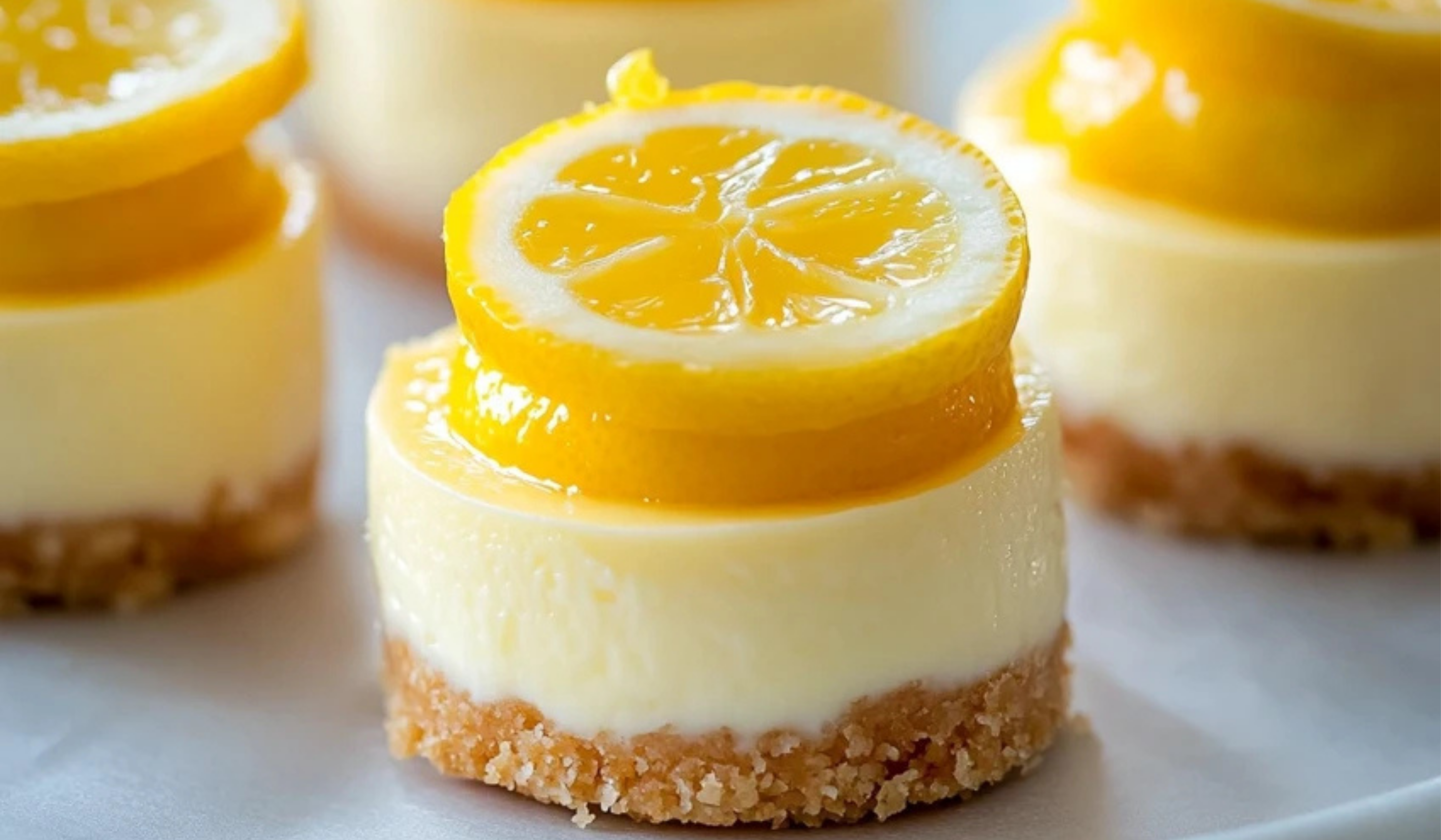
There is something undeniably special about homemade cheesecake. The combination of a rich, creamy filling with a buttery, crumbly crust is pure indulgence. But for many beginners, making a full-sized cheesecake can seem intimidating. The process often involves water baths, long baking times, and the dreaded risk of cracks. Mini cheesecakes, however, simplify everything while delivering the same luscious texture and flavor.
Print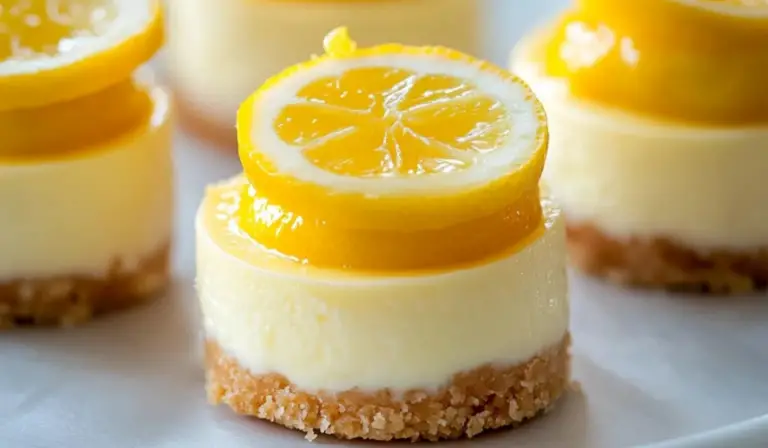
Mastering Mini Lemon Cheesecakes: A Perfect Dessert for Beginners
Bright, tangy, and irresistibly creamy—these Mini Lemon Cheesecakes are the perfect bite-sized treat! With a buttery crust and silky-smooth filling, they’re a foolproof dessert for any occasion! 🍋
- Total Time: 40 minutes
- Yield: 12 servings 1x
Ingredients
For the Crust
- 1 ¾ cups graham cracker crumbs
- ½ cup sugar
- ½ cup unsalted butter, melted
For the Cheesecake Filling
- 16 oz cream cheese, softened
- ½ cup sour cream
- ½ cup sugar
- 2 large eggs
- 1 cup lemon juice, preferably fresh
- 1 teaspoon vanilla extract
- Zest of 1 lemon
Instructions
1. Preheat the Oven and Prepare the Muffin Tin
Set the oven to 325°F (160°C). Line a muffin tin with cupcake liners to prevent sticking and make cleanup easier.
2. Make the Crust
In a mixing bowl, combine the graham cracker crumbs, sugar, and melted butter. Stir until the mixture has the consistency of wet sand. Spoon about one tablespoon of the mixture into each cupcake liner and press it down firmly using the back of a spoon or the bottom of a small glass. This ensures a compact crust that holds together.
3. Prepare the Cheesecake Filling
In a large mixing bowl, beat the softened cream cheese, sour cream, and sugar together until the mixture is completely smooth. It is essential to use room-temperature cream cheese to avoid lumps.
Add the eggs one at a time, mixing gently after each addition. Overmixing can incorporate too much air, leading to cracks in the cheesecake.
Stir in the lemon juice, vanilla extract, and lemon zest. The lemon zest intensifies the citrus flavor, creating a bright, fresh taste. Mix until everything is well combined and the batter is smooth.
4. Fill and Bake
Spoon the cheesecake filling over the prepared crusts, filling each liner about two-thirds full. This allows room for the cheesecakes to rise slightly as they bake.
Place the muffin tin in the oven and bake for 20-25 minutes. The cheesecakes are done when the edges are set, but the center should still have a slight jiggle when shaken gently. Overbaking can result in a dry or cracked texture.
5. Cool and Chill
Once the cheesecakes are baked, remove the muffin tin from the oven and let them cool at room temperature for about 30 minutes. Then, transfer them to the refrigerator and chill for at least two hours. This step is crucial for achieving the right texture, as the cheesecakes firm up while cooling.
6. Add Toppings and Serve
Before serving, garnish each cheesecake with a dollop of whipped cream, a thin slice of lemon, or fresh berries. These additions enhance both the flavor and presentation.
Notes
Common Mistakes and How to Avoid Them
- Using Cold Cream Cheese: Always allow cream cheese to come to room temperature before mixing. Cold cream cheese leads to a lumpy batter.
- Overmixing the Batter: Mix just until the ingredients are combined. Overbeating can introduce too much air, causing cracks when baking.
- Overbaking the Cheesecakes: A slight jiggle in the center is a good indicator that the cheesecakes are done. Overbaking can make them dry.
- Skipping the Cooling Process: Allowing the cheesecakes to cool gradually prevents cracks and improves texture.
Troubleshooting
- If the Cheesecakes Crack: This can be covered with whipped cream or fruit toppings. Cracks are mostly cosmetic and do not affect taste.
- If the Crust is Too Crumbly: Press the crust firmly into the liners before baking to ensure it holds together.
- If the Cheesecakes Don’t Set Properly: They may need more chilling time. Leave them in the refrigerator overnight for the best consistency.
Efficiency Tips
- Use a Food Processor for the Crust: This speeds up the process of crushing graham crackers evenly.
- Batch Prep: Make extra and freeze them for a quick dessert option later.
- Prep Time: 15 minutes
- Cook Time: 25 minutes
These mini lemon cheesecakes are perfect for those new to baking. The recipe is straightforward, requiring only basic ingredients and simple mixing techniques. They bake in just 20-25 minutes and chill in the refrigerator to set. There’s no need for complex equipment or advanced skills, making this an excellent starting point for anyone looking to explore baking.
Lemon brings a bright and refreshing flavor that cuts through the richness of the cheesecake. The tangy citrus balances the sweetness, creating a dessert that feels light yet satisfying. Mini cheesecakes are also convenient for serving, as each portion is perfectly sized. Whether you are making them for a gathering or as a personal treat, they are easy to prepare, store, and enjoy.
This recipe requires minimal effort but delivers maximum flavor. With a crisp graham cracker crust and a silky lemon-infused filling, these cheesecakes are guaranteed to impress.
Ingredients and Preparation
Having all your ingredients ready before you begin makes the process smoother and more enjoyable. Here’s what you’ll need.
For the Crust
- 1 ¾ cups graham cracker crumbs
- ½ cup sugar
- ½ cup unsalted butter, melted
For the Cheesecake Filling
- 16 oz cream cheese, softened
- ½ cup sour cream
- ½ cup sugar
- 2 large eggs
- 1 cup lemon juice, preferably fresh
- 1 teaspoon vanilla extract
- Zest of 1 lemon
Optional Toppings
- Whipped cream
- Thin lemon slices
- Fresh berries such as blueberries or raspberries
Ingredient Substitutions
- If graham crackers are unavailable, digestive biscuits or vanilla wafers can be used for the crust.
- To make the recipe gluten-free, substitute the graham cracker crumbs with crushed gluten-free cookies or almond flour.
- A dairy-free version can be made by using plant-based cream cheese and sour cream.
- For a lower-sugar option, replace granulated sugar with a natural sweetener like honey or a sugar substitute.
Preparing all ingredients in advance ensures a smooth workflow and prevents any last-minute confusion.
Step-by-Step Instructions
1. Preheat the Oven and Prepare the Muffin Tin
Set the oven to 325°F (160°C). Line a muffin tin with cupcake liners to prevent sticking and make cleanup easier.
2. Make the Crust
In a mixing bowl, combine the graham cracker crumbs, sugar, and melted butter. Stir until the mixture has the consistency of wet sand. Spoon about one tablespoon of the mixture into each cupcake liner and press it down firmly using the back of a spoon or the bottom of a small glass. This ensures a compact crust that holds together.
3. Prepare the Cheesecake Filling
In a large mixing bowl, beat the softened cream cheese, sour cream, and sugar together until the mixture is completely smooth. It is essential to use room-temperature cream cheese to avoid lumps.
Add the eggs one at a time, mixing gently after each addition. Overmixing can incorporate too much air, leading to cracks in the cheesecake.
Stir in the lemon juice, vanilla extract, and lemon zest. The lemon zest intensifies the citrus flavor, creating a bright, fresh taste. Mix until everything is well combined and the batter is smooth.
4. Fill and Bake
Spoon the cheesecake filling over the prepared crusts, filling each liner about two-thirds full. This allows room for the cheesecakes to rise slightly as they bake.
Place the muffin tin in the oven and bake for 20-25 minutes. The cheesecakes are done when the edges are set, but the center should still have a slight jiggle when shaken gently. Overbaking can result in a dry or cracked texture.
5. Cool and Chill
Once the cheesecakes are baked, remove the muffin tin from the oven and let them cool at room temperature for about 30 minutes. Then, transfer them to the refrigerator and chill for at least two hours. This step is crucial for achieving the right texture, as the cheesecakes firm up while cooling.
6. Add Toppings and Serve
Before serving, garnish each cheesecake with a dollop of whipped cream, a thin slice of lemon, or fresh berries. These additions enhance both the flavor and presentation.
Beginner Tips and Notes
Common Mistakes and How to Avoid Them
- Using Cold Cream Cheese: Always allow cream cheese to come to room temperature before mixing. Cold cream cheese leads to a lumpy batter.
- Overmixing the Batter: Mix just until the ingredients are combined. Overbeating can introduce too much air, causing cracks when baking.
- Overbaking the Cheesecakes: A slight jiggle in the center is a good indicator that the cheesecakes are done. Overbaking can make them dry.
- Skipping the Cooling Process: Allowing the cheesecakes to cool gradually prevents cracks and improves texture.
Troubleshooting
- If the Cheesecakes Crack: This can be covered with whipped cream or fruit toppings. Cracks are mostly cosmetic and do not affect taste.
- If the Crust is Too Crumbly: Press the crust firmly into the liners before baking to ensure it holds together.
- If the Cheesecakes Don’t Set Properly: They may need more chilling time. Leave them in the refrigerator overnight for the best consistency.
Efficiency Tips
- Use a Food Processor for the Crust: This speeds up the process of crushing graham crackers evenly.
- Batch Prep: Make extra and freeze them for a quick dessert option later.

Serving Suggestions
Mini lemon cheesecakes pair well with a variety of accompaniments that enhance their flavor and texture.
- Fresh Fruit: Blueberries, raspberries, or strawberries add natural sweetness and a pop of color.
- Drizzles: A light drizzle of honey, chocolate, or caramel sauce can elevate the flavor.
- Crunchy Additions: Chopped nuts such as almonds or pistachios provide a contrasting texture.
- Beverage Pairings: Serve with tea, coffee, or a citrus-infused sparkling water for a refreshing combination.
Storage Tips
- Refrigeration: Store leftovers in an airtight container in the refrigerator for up to five days.
- Freezing: Wrap individual cheesecakes in plastic wrap and store them in an airtight container for up to three months. Thaw in the fridge before serving.
Engagement Features
Baking should be enjoyable and rewarding, especially for beginners. These mini lemon cheesecakes offer a foolproof way to create an elegant dessert without stress. Their bite-sized format makes them convenient for any occasion, whether it’s a family gathering or a personal treat.
If you try this recipe, share your experience. Did you experiment with any toppings or ingredient swaps? Do you have any tips to make the process even easier? Leave a comment and let others know how your cheesecakes turned out.
Baking is all about learning and having fun. Even if things don’t go perfectly the first time, every attempt builds confidence. Gather your ingredients, follow the steps, and enjoy the process of creating these delightful mini lemon cheesecakes.