
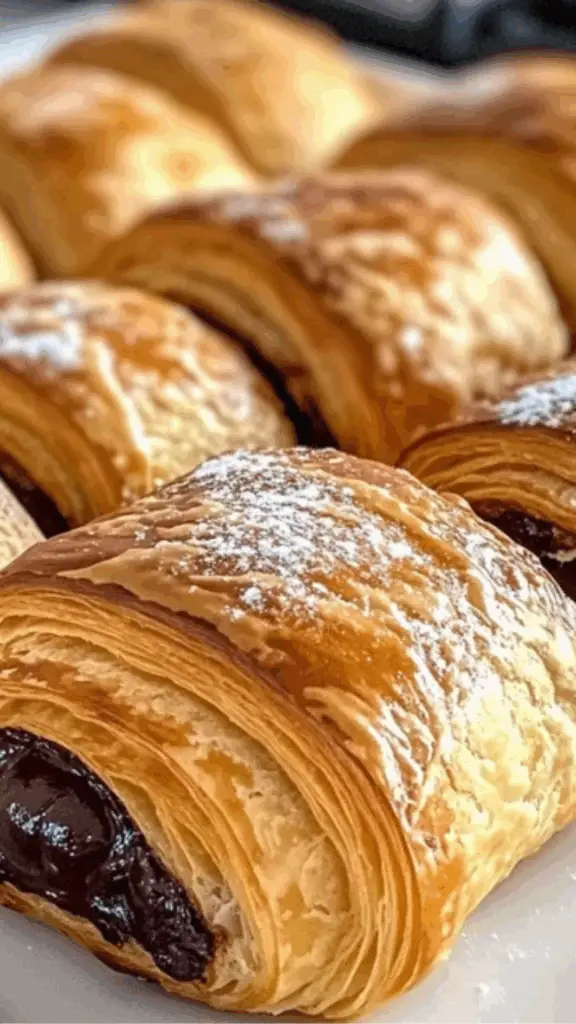
There’s a reason chocolate croissants hold such a special place in the world of baked goods. The golden, flaky layers combined with pockets of melted chocolate offer a sensory experience that’s both comforting and luxurious. Often associated with French patisseries, these pastries, also known as “pain au chocolat,” seem like the type of delicacy best left to professionals. But the truth is, with some planning, basic kitchen tools, and the right guidance, homemade chocolate croissants are absolutely within reach—even for beginners. This recipe simplifies the process without compromising on authenticity or flavor, giving you the joy of baking something extraordinary from scratch.
Ingredients and Preparation
This recipe uses simple ingredients, many of which you probably already have. The croissants are made with a yeasted dough layered with butter to form a laminated pastry. Chocolate batons or chopped chocolate create the signature chocolate filling. You’ll need time, especially for chilling and folding the dough, but the actual hands-on work is straightforward.
Ingredients
For the dough:
- 4 cups all-purpose flour (plus more for dusting)
- 1/2 cup warm water (110°F or 43°C)
- 1/2 cup warm milk
- 1/4 cup granulated sugar
- 2 1/4 tsp active dry yeast (1 packet)
- 1 1/2 tsp salt
- 3 tbsp unsalted butter, melted
For the butter block:
- 1 cup (2 sticks) unsalted butter, cold
For the filling:
- 1 cup semi-sweet chocolate chips or chocolate batons
For the egg wash:
- 1 egg
- 1 tbsp milk
Preparation Steps Before Laminating
- Activate the yeast: In a small bowl, combine the warm water, warm milk, sugar, and yeast. Stir and let sit for 5–10 minutes until foamy.
- Make the dough: In a large bowl, mix flour and salt. Add melted butter and yeast mixture. Knead the dough until smooth, about 5–7 minutes. You can use a stand mixer with a dough hook or knead by hand.
- Chill the dough: Shape the dough into a disk, wrap it in plastic, and refrigerate for at least 1 hour.
- Make the butter block: Place cold butter between two sheets of parchment paper and beat it with a rolling pin until it forms a flat, 7-inch square. Refrigerate while the dough chills.
Step-by-Step Instructions
- Roll the dough: On a lightly floured surface, roll the chilled dough into a 10-inch square.
- Add the butter: Place the butter block diagonally on the dough so it forms a diamond inside the square. Fold the corners of the dough over the butter like an envelope, sealing the butter inside.
- First fold (single turn): Roll the dough into a 20×10-inch rectangle. Fold it into thirds like a letter. Wrap in plastic and chill for 30 minutes.
- Second fold: Repeat the rolling and folding process. Chill again for 30 minutes.
- Third fold: Do a final roll and fold. Chill for another 30 minutes.
- Roll out the final dough: After the final chill, roll the dough into a large rectangle about 1/4 inch thick and 10 inches wide.
- Cut and shape: Cut the dough into rectangles (approximately 4×3 inches). Place 1 tbsp of chocolate chips or 1–2 batons on the short edge of each rectangle. Roll tightly into a log, tucking the seam underneath.
- Final proofing: Place the croissants on a parchment-lined baking sheet. Cover loosely with plastic or a clean towel and let rise for 1.5–2 hours in a warm spot until puffy.
- Egg wash: Beat the egg with 1 tbsp milk and gently brush each croissant.
- Bake: Preheat oven to 400°F (200°C). Bake croissants for 15–18 minutes or until golden brown and crisp.
- Cool and serve: Let cool slightly before serving to allow the chocolate to settle.
Beginner Tips and Notes
- Plan ahead: Croissants take time, mostly for resting and proofing. Begin the night before if you want fresh pastries in the morning.
- Chilling is key: Keep the dough and butter cold throughout the process. This prevents the butter from melting into the dough, ensuring flaky layers.
- Use real butter: Don’t substitute with margarine or oil. The flavor and texture rely on high-quality butter.
- Flour your surface: Lightly flour your counter and rolling pin to avoid sticking, but don’t use too much or the dough may become dry.
- Cut cleanly: Use a sharp knife or pizza cutter to avoid compressing the dough layers when shaping.
- Proof properly: During the final rise, your croissants should become puffy and jiggly but not over-expanded. A warm, draft-free area helps.
- Don’t skip the egg wash: It creates that shiny, golden crust and adds visual appeal.
- Try different fillings: You can also use finely chopped chocolate, chocolate hazelnut spread, or even a small piece of cooked chicken for a savory twist, as long as it’s properly pre-cooked and dry.
Serving Suggestions
- With coffee: Serve warm chocolate croissants with a hot cup of coffee, café au lait, or a glass of cold milk.
- Brunch spread: Include croissants in a brunch lineup with fresh fruits, scrambled eggs, and a green salad for contrast.
- Dessert option: Add a scoop of vanilla ice cream or drizzle with chocolate sauce for a fancier dessert version.
- On-the-go treat: Wrap cooled croissants in parchment for a sweet snack on the move or a homemade addition to lunchboxes.
- Special occasions: These are perfect for holidays, Mother’s Day, birthdays, or any time you want to impress guests with a homemade pastry.

Heavenly Homemade Chocolate Croissants: A Beginner’s Guide to French Pastry Bliss
Bring a taste of Paris to your kitchen with these Heavenly Homemade Chocolate Croissants! 🥐🍫 Buttery, flaky layers wrapped around rich chocolate make every bite a dreamy delight. Don’t worry if you’re a beginner—this guide makes it simple to bake like a pro. Bonjour, pastry perfection! 🇫🇷✨
- Total Time: 3 hours 48 minutes
- Yield: 12 croissants 1x
Ingredients
For the dough:
- 4 cups all-purpose flour (plus more for dusting)
- 1/2 cup warm water (110°F or 43°C)
- 1/2 cup warm milk
- 1/4 cup granulated sugar
- 2 1/4 tsp active dry yeast (1 packet)
- 1 1/2 tsp salt
- 3 tbsp unsalted butter, melted
For the butter block:
- 1 cup (2 sticks) unsalted butter, cold
For the filling:
- 1 cup semi-sweet chocolate chips or chocolate batons
For the egg wash:
- 1 egg
- 1 tbsp milk
Preparation Steps Before Laminating
- Activate the yeast: In a small bowl, combine the warm water, warm milk, sugar, and yeast. Stir and let sit for 5–10 minutes until foamy.
- Make the dough: In a large bowl, mix flour and salt. Add melted butter and yeast mixture. Knead the dough until smooth, about 5–7 minutes. You can use a stand mixer with a dough hook or knead by hand.
- Chill the dough: Shape the dough into a disk, wrap it in plastic, and refrigerate for at least 1 hour.
- Make the butter block: Place cold butter between two sheets of parchment paper and beat it with a rolling pin until it forms a flat, 7-inch square. Refrigerate while the dough chills.
Instructions
- Roll the dough: On a lightly floured surface, roll the chilled dough into a 10-inch square.
- Add the butter: Place the butter block diagonally on the dough so it forms a diamond inside the square. Fold the corners of the dough over the butter like an envelope, sealing the butter inside.
- First fold (single turn): Roll the dough into a 20×10-inch rectangle. Fold it into thirds like a letter. Wrap in plastic and chill for 30 minutes.
- Second fold: Repeat the rolling and folding process. Chill again for 30 minutes.
- Third fold: Do a final roll and fold. Chill for another 30 minutes.
- Roll out the final dough: After the final chill, roll the dough into a large rectangle about 1/4 inch thick and 10 inches wide.
- Cut and shape: Cut the dough into rectangles (approximately 4×3 inches). Place 1 tbsp of chocolate chips or 1–2 batons on the short edge of each rectangle. Roll tightly into a log, tucking the seam underneath.
- Final proofing: Place the croissants on a parchment-lined baking sheet. Cover loosely with plastic or a clean towel and let rise for 1.5–2 hours in a warm spot until puffy.
- Egg wash: Beat the egg with 1 tbsp milk and gently brush each croissant.
- Bake: Preheat oven to 400°F (200°C). Bake croissants for 15–18 minutes or until golden brown and crisp.
- Cool and serve: Let cool slightly before serving to allow the chocolate to settle.
Notes
- Plan ahead: Croissants take time, mostly for resting and proofing. Begin the night before if you want fresh pastries in the morning.
- Chilling is key: Keep the dough and butter cold throughout the process. This prevents the butter from melting into the dough, ensuring flaky layers.
- Use real butter: Don’t substitute with margarine or oil. The flavor and texture rely on high-quality butter.
- Flour your surface: Lightly flour your counter and rolling pin to avoid sticking, but don’t use too much or the dough may become dry.
- Cut cleanly: Use a sharp knife or pizza cutter to avoid compressing the dough layers when shaping.
- Proof properly: During the final rise, your croissants should become puffy and jiggly but not over-expanded. A warm, draft-free area helps.
- Don’t skip the egg wash: It creates that shiny, golden crust and adds visual appeal.
- Try different fillings: You can also use finely chopped chocolate, chocolate hazelnut spread, or even a small piece of cooked chicken for a savory twist, as long as it’s properly pre-cooked and dry.
- Prep Time: 1 hour 30 minutes (plus 2 hours chilling and proofing)
- Cook Time: 18 minutes
Engagement Features
- What’s your favorite type of croissant—plain, chocolate, or something else?
- Have you ever tried laminating dough before, or is this your first attempt?
- Would you try savory versions of these croissants with beef or chicken and cheese?
- If you baked these, share how they turned out and what chocolate you used—dark, milk, or a combination?
Homemade chocolate croissants offer both a satisfying baking challenge and an irresistible reward. While the process requires care and patience, the results—crisp, buttery layers enveloping rich chocolate—are absolutely worth it. With this guide, even a first-time baker can confidently tackle laminated dough and produce croissants that rival any bakery. Take your time, follow each step closely, and soon your kitchen will be filled with the aroma of freshly baked pastry.