
Few treats capture the charm and indulgence of New Orleans quite like beignets. These fluffy, deep-fried pastries dusted with sugar have become synonymous with the city’s vibrant culture and rich culinary tradition. The glazed buttermilk beignets bring a twist to the classic recipe, offering a sweet, smooth glaze that coats each pillow of dough for an extra layer of irresistible flavor. Whether you’re aiming to impress guests at brunch or simply want a comforting homemade dessert, these beignets deliver crispiness on the outside and a tender, airy interior that melts in your mouth.
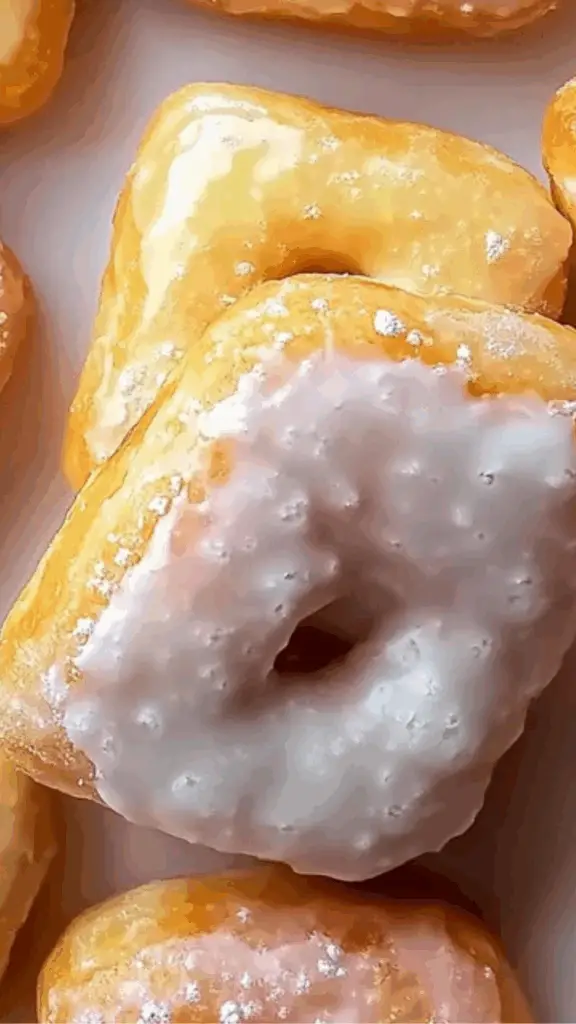
This recipe uses simple ingredients and straightforward steps, making it ideal even for beginner cooks who want to recreate a taste of New Orleans at home without the need for special equipment or advanced baking skills. Plus, it swaps traditional pork-based fats or bacon with healthier options, keeping it delicious and suitable for more diets.
Ingredients and Preparation
For the Dough:
- ½ cup warm water (about 110°F/43°C)
- 1 tablespoon active dry yeast
- 1 tablespoon granulated sugar
- ½ cup buttermilk, room temperature
- 1 large egg
- 2 tablespoons melted butter (unsalted)
- 3½ cups all-purpose flour, plus extra for dusting
- Vegetable or canola oil, for frying (enough for a deep fryer or deep pan, about 3 inches deep)
For the Glaze:
- 1 cup powdered sugar
- 2 to 3 tablespoons milk (adjust for desired consistency)
- 1 teaspoon vanilla extract
Preparation Notes:
- Make sure the water is warm but not hot to activate the yeast properly.
- Use room temperature buttermilk and egg to help the dough rise evenly.
- Melted butter should be cooled slightly to avoid cooking the egg when mixed.
- For frying, a neutral oil like vegetable or canola oil works best due to its high smoke point.
Step-by-Step Instructions
- Activate the Yeast:
In a small bowl, combine the warm water, yeast, and sugar. Stir gently and let it sit for 5–10 minutes until the mixture becomes frothy. This indicates the yeast is active. - Mix the Wet Ingredients:
In a large mixing bowl, whisk together the buttermilk, egg, and melted butter. - Combine Yeast Mixture and Wet Ingredients:
Pour the frothy yeast mixture into the buttermilk mixture and stir to combine. - Add Flour:
Gradually add 3 cups of flour to the wet ingredients, stirring continuously. The dough will be sticky but should start pulling away from the sides of the bowl. - Knead the Dough:
Turn the dough onto a lightly floured surface and knead for about 6-8 minutes. Add the remaining ½ cup of flour little by little if needed to make the dough smooth and elastic, but avoid making it too dry. - First Rise:
Place the dough in a lightly greased bowl, cover it with a clean kitchen towel or plastic wrap, and let it rise in a warm place for 1 to 1½ hours until doubled in size. - Prepare the Glaze:
While the dough is rising, whisk together the powdered sugar, milk, and vanilla extract in a bowl. Adjust the milk quantity to get a smooth, pourable consistency. Set aside. - Roll and Cut the Dough:
Once risen, punch down the dough gently to release the air. Roll it out on a floured surface to about ¼ inch thickness. Using a sharp knife or pizza cutter, cut the dough into squares roughly 3×3 inches. - Heat the Oil:
In a deep fryer or heavy-bottomed pot, heat the oil to 350°F (175°C). Use a thermometer to maintain the temperature for even frying. - Fry the Beignets:
Carefully drop a few pieces of dough into the hot oil, being careful not to overcrowd the pot. Fry each side for about 2-3 minutes or until golden brown and puffed. - Drain and Glaze:
Remove the beignets with a slotted spoon and place them on a paper towel-lined plate to drain excess oil. While still warm, dip each beignet into the glaze, letting the excess drip off. - Serve Immediately:
Serve the glazed beignets warm for the best texture and flavor.
Beginner Tips and Notes
- Yeast Activation: If your yeast doesn’t foam after 10 minutes in warm water, it might be expired or the water was too hot or cold. Start fresh with new yeast and ensure the temperature is right.
- Dough Consistency: Sticky dough is normal. Add flour carefully while kneading, but don’t make it too stiff, or the beignets will be dense.
- Oil Temperature: Maintaining the oil at 350°F is crucial. Too hot, and the outside burns before the inside cooks; too cool, and the beignets absorb excess oil and become greasy.
- Frying in Batches: Don’t overcrowd the pot to keep the oil temperature stable and ensure even frying.
- Glaze Adjustments: For a thinner glaze, add more milk a teaspoon at a time. For a thicker glaze that coats better, use less milk.
Serving Suggestions
- Classic Pairing: Serve with a cup of strong coffee or café au lait to complement the sweet, airy beignets.
- Fruit Toppings: Add fresh berries or sliced bananas on the side for a fruity contrast.
- Breakfast Treat: Pair with scrambled eggs and grilled chicken sausage for a balanced morning meal.
- Dessert Option: Serve warm beignets with vanilla ice cream or a drizzle of chocolate sauce for a decadent dessert.
- Party Platter: Arrange glazed beignets on a platter with fresh fruit and small bowls of nut butters or jams for dipping.
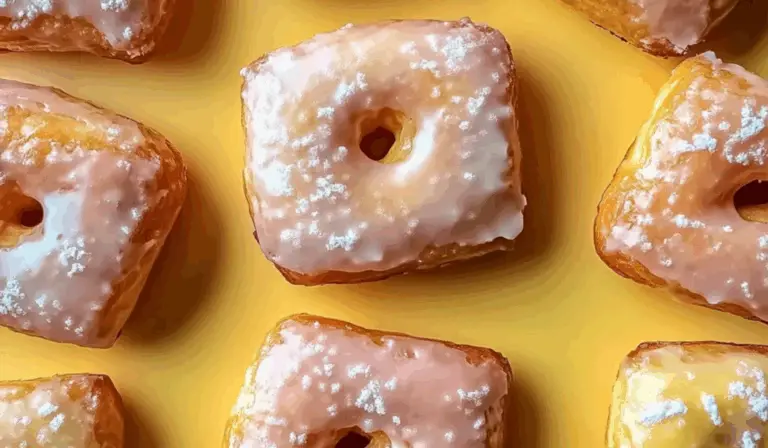
Glazed Buttermilk Beignets: A Taste of New Orleans at Home
Bring the charm of New Orleans straight to your kitchen with these Glazed Buttermilk Beignets! 🍩✨ Light, fluffy, and golden-fried to perfection, these pillowy pastries are drenched in a sweet glaze for that irresistible finish. Perfect for brunch, coffee breaks, or a cozy dessert moment! 🎷☕ One bite and you’ll be transported to the French Quarter. 💛
- Total Time: 35 minutes
- Yield: About 16 beignets (depending on size) 1x
Ingredients
For the Dough:
- ½ cup warm water (about 110°F/43°C)
- 1 tablespoon active dry yeast
- 1 tablespoon granulated sugar
- ½ cup buttermilk, room temperature
- 1 large egg
- 2 tablespoons melted butter (unsalted)
- 3½ cups all-purpose flour, plus extra for dusting
- Vegetable or canola oil, for frying (enough for a deep fryer or deep pan, about 3 inches deep)
For the Glaze:
- 1 cup powdered sugar
- 2 to 3 tablespoons milk (adjust for desired consistency)
- 1 teaspoon vanilla extract
Preparation Notes:
- Make sure the water is warm but not hot to activate the yeast properly.
- Use room temperature buttermilk and egg to help the dough rise evenly.
- Melted butter should be cooled slightly to avoid cooking the egg when mixed.
- For frying, a neutral oil like vegetable or canola oil works best due to its high smoke point.
Instructions
- Activate the Yeast:
In a small bowl, combine the warm water, yeast, and sugar. Stir gently and let it sit for 5–10 minutes until the mixture becomes frothy. This indicates the yeast is active. - Mix the Wet Ingredients:
In a large mixing bowl, whisk together the buttermilk, egg, and melted butter. - Combine Yeast Mixture and Wet Ingredients:
Pour the frothy yeast mixture into the buttermilk mixture and stir to combine. - Add Flour:
Gradually add 3 cups of flour to the wet ingredients, stirring continuously. The dough will be sticky but should start pulling away from the sides of the bowl. - Knead the Dough:
Turn the dough onto a lightly floured surface and knead for about 6-8 minutes. Add the remaining ½ cup of flour little by little if needed to make the dough smooth and elastic, but avoid making it too dry. - First Rise:
Place the dough in a lightly greased bowl, cover it with a clean kitchen towel or plastic wrap, and let it rise in a warm place for 1 to 1½ hours until doubled in size. - Prepare the Glaze:
While the dough is rising, whisk together the powdered sugar, milk, and vanilla extract in a bowl. Adjust the milk quantity to get a smooth, pourable consistency. Set aside. - Roll and Cut the Dough:
Once risen, punch down the dough gently to release the air. Roll it out on a floured surface to about ¼ inch thickness. Using a sharp knife or pizza cutter, cut the dough into squares roughly 3×3 inches. - Heat the Oil:
In a deep fryer or heavy-bottomed pot, heat the oil to 350°F (175°C). Use a thermometer to maintain the temperature for even frying. - Fry the Beignets:
Carefully drop a few pieces of dough into the hot oil, being careful not to overcrowd the pot. Fry each side for about 2-3 minutes or until golden brown and puffed. - Drain and Glaze:
Remove the beignets with a slotted spoon and place them on a paper towel-lined plate to drain excess oil. While still warm, dip each beignet into the glaze, letting the excess drip off. - Serve Immediately:
Serve the glazed beignets warm for the best texture and flavor.
Notes
- Yeast Activation: If your yeast doesn’t foam after 10 minutes in warm water, it might be expired or the water was too hot or cold. Start fresh with new yeast and ensure the temperature is right.
- Dough Consistency: Sticky dough is normal. Add flour carefully while kneading, but don’t make it too stiff, or the beignets will be dense.
- Oil Temperature: Maintaining the oil at 350°F is crucial. Too hot, and the outside burns before the inside cooks; too cool, and the beignets absorb excess oil and become greasy.
- Frying in Batches: Don’t overcrowd the pot to keep the oil temperature stable and ensure even frying.
- Glaze Adjustments: For a thinner glaze, add more milk a teaspoon at a time. For a thicker glaze that coats better, use less milk.
- Prep Time: 20 minutes
- Cook Time: 15 minutes
Engagement Features
Have you ever tried making beignets at home before? What’s your favorite way to enjoy them? If you make this glazed buttermilk beignet recipe, share your experience or any twists you add to the recipe. Feel free to ask questions if you need help with the yeast, frying temperature, or glaze consistency. Cooking can be a journey, and I’m here to help you make it easy and fun. Don’t forget to tell your friends about this recipe if you loved it and come back for more delicious ideas!