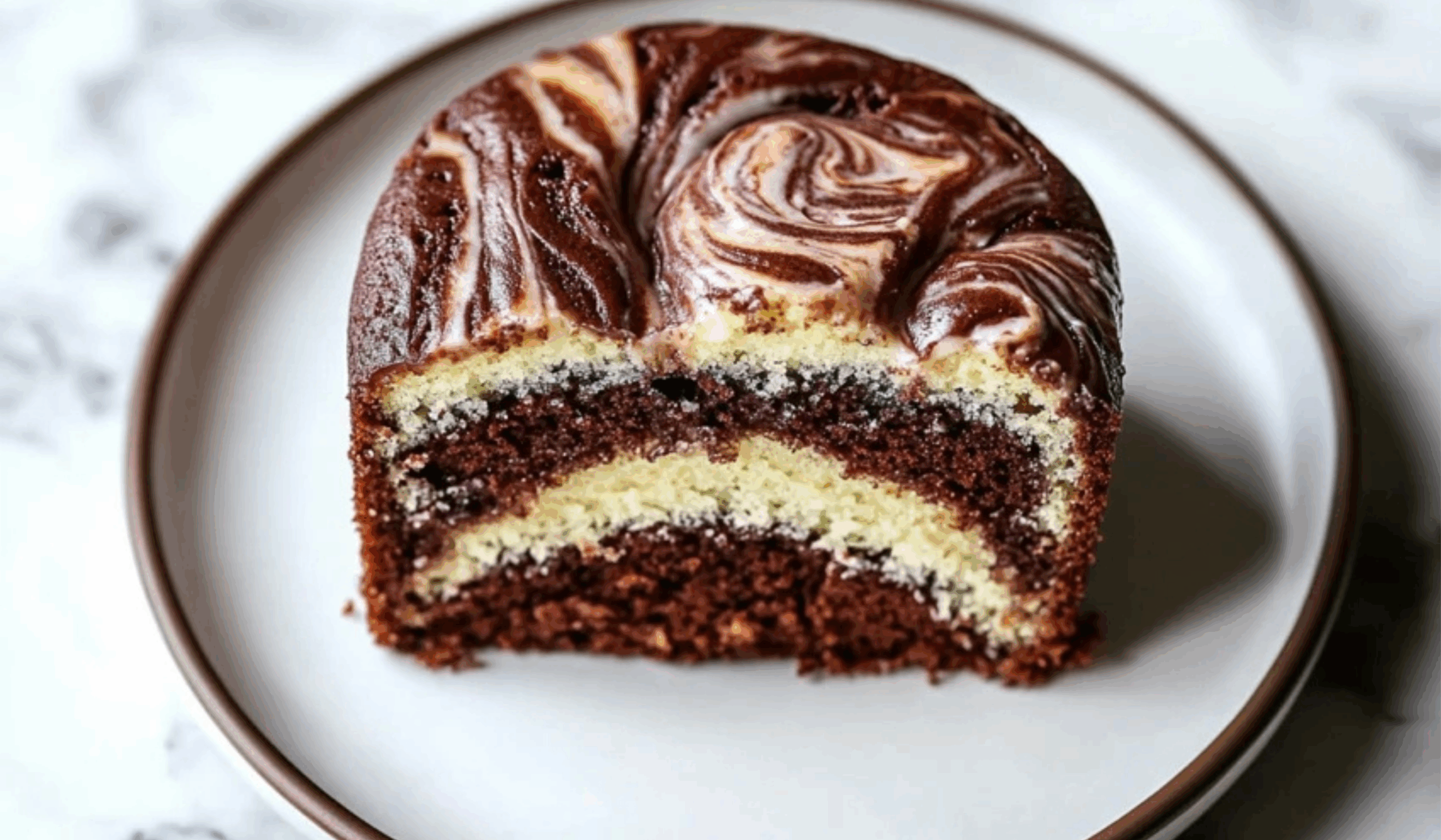
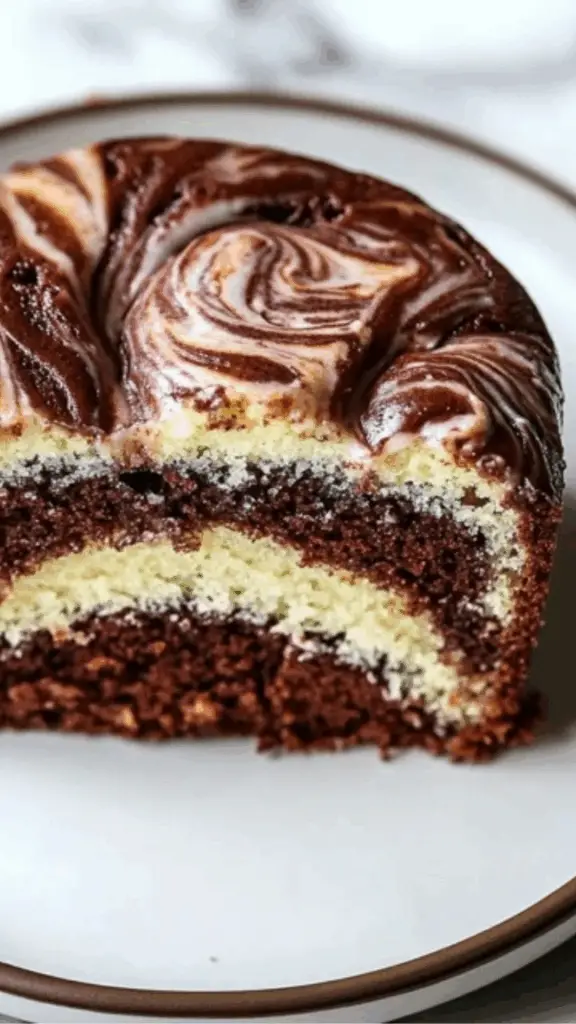
German Marble Cake, known locally as Marmorkuchen, is a classic treat cherished for its moist texture and elegant swirled pattern combining vanilla and chocolate batters. It’s a traditional dessert that brings warmth to any occasion, whether a simple afternoon coffee break or a festive family gathering. The cake’s distinct marbled appearance is not only visually appealing but also provides the perfect balance between rich chocolate and delicate vanilla flavors. This guide will walk you through the process of making an authentic Marmorkuchen that is approachable for beginner bakers, with clear instructions and helpful tips.
Ingredients and Preparation
To make this cake, you will need ingredients for both the vanilla and chocolate parts of the batter. The chocolate flavor is created by adding cocoa powder to part of the vanilla batter. Here’s what you need:
- 225 grams (1 cup) unsalted butter, softened
- 200 grams (1 cup) granulated sugar
- 4 large eggs, room temperature
- 1 teaspoon pure vanilla extract
- 300 grams (2½ cups) all-purpose flour
- 2 teaspoons baking powder
- 3 tablespoons unsweetened cocoa powder
- 100 milliliters (just under ½ cup) milk, room temperature
- A pinch of salt
Note: This recipe uses no pork, ham, or bacon. Butter and eggs provide richness, but if you prefer, you can substitute the butter with unsweetened margarine or a neutral vegetable oil for a different texture.
Step-by-Step Instructions
- Preheat and prepare your baking pan
Preheat your oven to 350°F (175°C). Grease a 9-inch (23 cm) bundt pan or loaf pan thoroughly with butter or non-stick spray. Lightly dust the pan with flour to prevent sticking. - Cream butter and sugar
In a large mixing bowl, beat the softened butter and granulated sugar together until the mixture is pale and fluffy. This step is important to incorporate air, which gives the cake a light texture. Use a hand mixer or stand mixer on medium speed for about 4-5 minutes. - Add eggs and vanilla
Crack the eggs one at a time into the butter-sugar mixture, beating well after each addition. Then add the vanilla extract and mix until combined. Ensure the eggs are at room temperature to avoid the batter curdling. - Combine dry ingredients
In a separate bowl, sift together the flour, baking powder, and salt. This evenly distributes the baking powder and prevents lumps. - Incorporate dry ingredients and milk
Gradually add the flour mixture to the wet ingredients, alternating with the milk. Begin and end with the flour mixture. Mix gently after each addition until the batter is smooth but do not overmix. - Divide the batter
Scoop out about one-third of the batter into a separate bowl. This portion will be transformed into the chocolate part of the cake. - Make the chocolate batter
Add the cocoa powder to the smaller portion of batter and gently fold it in until well combined. The batter will thicken slightly and become a rich chocolate color. - Layer the batters in the pan
Spoon half of the vanilla batter into the prepared pan. Add the chocolate batter on top in dollops, then cover with the remaining vanilla batter. To create the marble effect, use a skewer or knife to gently swirl the batters together. Be careful not to over-swirl as you want distinct veins of vanilla and chocolate. - Bake the cake
Place the pan in the preheated oven and bake for 50-60 minutes. Test the cake by inserting a toothpick or skewer into the center; if it comes out clean or with a few crumbs, the cake is done. If the top browns too quickly, loosely cover the cake with aluminum foil halfway through baking. - Cool and serve
Let the cake cool in the pan for about 15 minutes, then carefully invert it onto a wire rack to cool completely. This prevents the cake from becoming soggy.
Beginner Tips and Notes
- Room temperature ingredients: Using eggs, milk, and butter at room temperature ensures a smoother batter and better rise. Cold ingredients can cause the batter to curdle.
- Mixing technique: Avoid overmixing once you add the flour. Overmixing develops gluten and can make the cake dense.
- Swirling: The key to a beautiful marble cake is the swirl. Use a gentle hand with the skewer, making just a few loops for the perfect marble pattern.
- Pan preparation: Thoroughly grease and flour the pan to avoid sticking. If using a bundt pan, pay attention to the intricate patterns by brushing with butter.
- Check for doneness: Baking times can vary depending on the oven and pan used. Start checking at 50 minutes.
- Substitutions:
- Butter can be swapped with unsweetened margarine or neutral oil, but this may slightly alter the flavor and texture.
- Milk can be replaced with any plant-based milk if desired.
- For a healthier twist, reduce sugar by 10-20%, but expect a slightly less sweet cake.
Serving Suggestions
German Marble Cake is delicious on its own or accompanied by:
- A dusting of powdered sugar for a simple elegant touch
- A drizzle of chocolate or vanilla glaze to enhance richness
- Fresh berries or a fruit compote to balance the sweetness
- A dollop of whipped cream or a scoop of vanilla ice cream for dessert
It pairs perfectly with a cup of strong coffee or tea, making it a delightful treat for afternoon breaks or brunches.
Print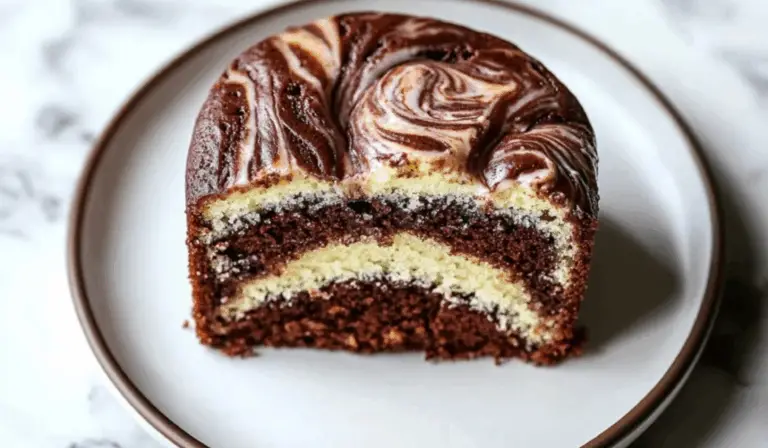
Authentic German Marble Cake (Marmorkuchen) Recipe: A Beginner’s Guide
Experience the classic charm of Germany with this Authentic Marble Cake (Marmorkuchen)! 🇩🇪🍰 Swirls of rich chocolate and buttery vanilla create a stunning marble effect that’s as delicious as it looks. Perfect for beginners, this moist, tender cake is a timeless treat for any occasion. 🎂✨ Bake a slice of tradition and impress your friends and family!
- Total Time: 1 hour 15 minutes
- Yield: 10–12 servings 1x
Ingredients
- 225 grams (1 cup) unsalted butter, softened
- 200 grams (1 cup) granulated sugar
- 4 large eggs, room temperature
- 1 teaspoon pure vanilla extract
- 300 grams (2½ cups) all-purpose flour
- 2 teaspoons baking powder
- 3 tablespoons unsweetened cocoa powder
- 100 milliliters (just under ½ cup) milk, room temperature
- A pinch of salt
Instructions
- Preheat and prepare your baking pan
Preheat your oven to 350°F (175°C). Grease a 9-inch (23 cm) bundt pan or loaf pan thoroughly with butter or non-stick spray. Lightly dust the pan with flour to prevent sticking. - Cream butter and sugar
In a large mixing bowl, beat the softened butter and granulated sugar together until the mixture is pale and fluffy. This step is important to incorporate air, which gives the cake a light texture. Use a hand mixer or stand mixer on medium speed for about 4-5 minutes. - Add eggs and vanilla
Crack the eggs one at a time into the butter-sugar mixture, beating well after each addition. Then add the vanilla extract and mix until combined. Ensure the eggs are at room temperature to avoid the batter curdling. - Combine dry ingredients
In a separate bowl, sift together the flour, baking powder, and salt. This evenly distributes the baking powder and prevents lumps. - Incorporate dry ingredients and milk
Gradually add the flour mixture to the wet ingredients, alternating with the milk. Begin and end with the flour mixture. Mix gently after each addition until the batter is smooth but do not overmix. - Divide the batter
Scoop out about one-third of the batter into a separate bowl. This portion will be transformed into the chocolate part of the cake. - Make the chocolate batter
Add the cocoa powder to the smaller portion of batter and gently fold it in until well combined. The batter will thicken slightly and become a rich chocolate color. - Layer the batters in the pan
Spoon half of the vanilla batter into the prepared pan. Add the chocolate batter on top in dollops, then cover with the remaining vanilla batter. To create the marble effect, use a skewer or knife to gently swirl the batters together. Be careful not to over-swirl as you want distinct veins of vanilla and chocolate. - Bake the cake
Place the pan in the preheated oven and bake for 50-60 minutes. Test the cake by inserting a toothpick or skewer into the center; if it comes out clean or with a few crumbs, the cake is done. If the top browns too quickly, loosely cover the cake with aluminum foil halfway through baking. - Cool and serve
Let the cake cool in the pan for about 15 minutes, then carefully invert it onto a wire rack to cool completely. This prevents the cake from becoming soggy.
Notes
- Room temperature ingredients: Using eggs, milk, and butter at room temperature ensures a smoother batter and better rise. Cold ingredients can cause the batter to curdle.
- Mixing technique: Avoid overmixing once you add the flour. Overmixing develops gluten and can make the cake dense.
- Swirling: The key to a beautiful marble cake is the swirl. Use a gentle hand with the skewer, making just a few loops for the perfect marble pattern.
- Pan preparation: Thoroughly grease and flour the pan to avoid sticking. If using a bundt pan, pay attention to the intricate patterns by brushing with butter.
- Check for doneness: Baking times can vary depending on the oven and pan used. Start checking at 50 minutes.
- Substitutions:
- Butter can be swapped with unsweetened margarine or neutral oil, but this may slightly alter the flavor and texture.
- Milk can be replaced with any plant-based milk if desired.
- For a healthier twist, reduce sugar by 10-20%, but expect a slightly less sweet cake.
- Prep Time: 20 minutes
- Cook Time: 55 minutes
Engagement Features
- Have you tried making a marble cake before? What techniques helped you get that perfect swirl?
- What is your favorite cake flavor combination? Would you experiment with adding different flavors like coffee or spices?
- If you tried this recipe, share a photo of your cake and any creative twists you added.
- What baking challenges do you usually face as a beginner, and how do you overcome them?